
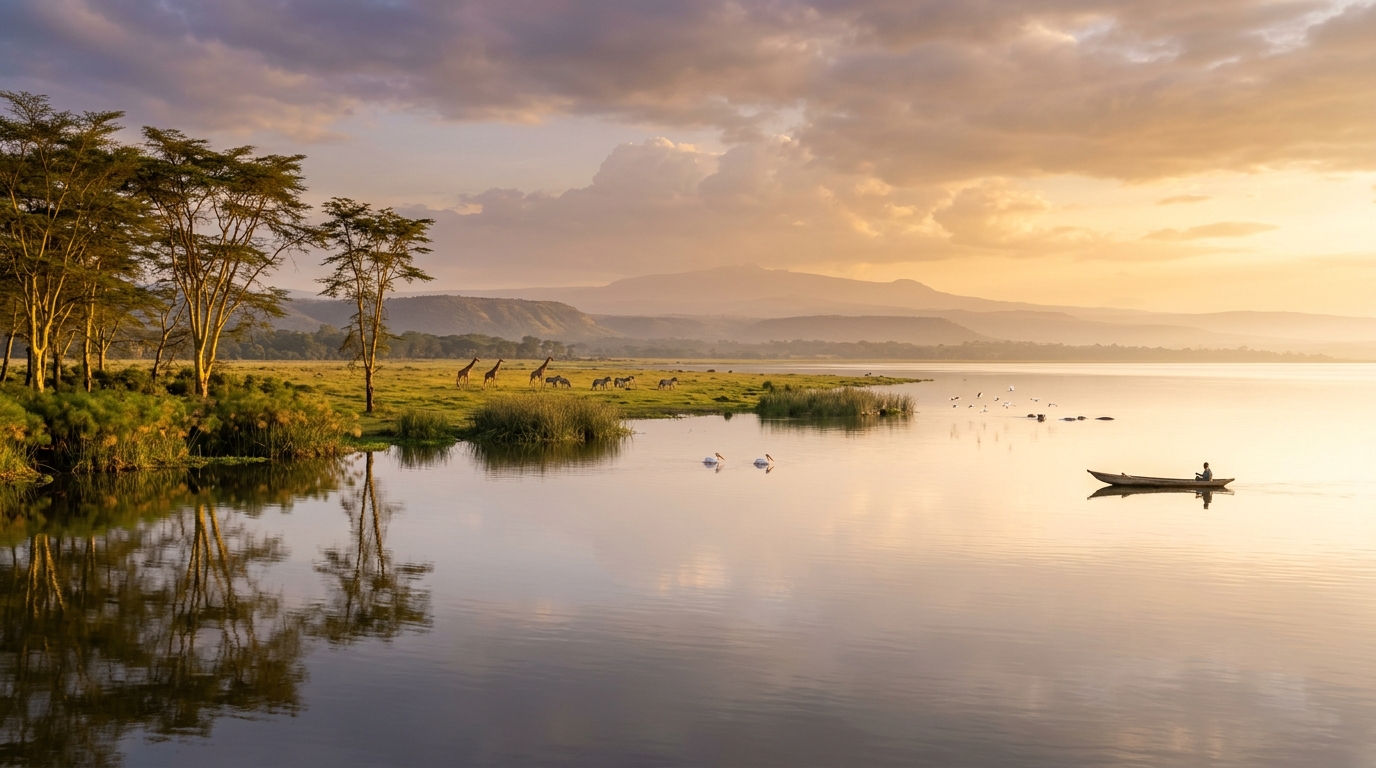
By Crescent Shores Retreats · Naivasha, Kenya · Published May 2026 · 11 min read
Yes — Kenya is safe for tourists in 2026. That is the honest answer, stated at the top, without qualification or caveats that render the statement meaningless.
The longer answer, which you deserve if you are making a decision about travelling to Kenya, is more specific: Kenya’s main tourism areas — Nairobi’s established districts, Naivasha, the Maasai Mara, Amboseli, Samburu, Tsavo, and the coast at Mombasa and Diani — are safe for international visitors when travelled with normal precautions and reputable operators. Millions of international tourists visit Kenya safely every year.
Kenya is not, however, uniformly safe across its entire territory. Its northeastern border regions near Somalia, and certain northern districts, have genuine security concerns that are well documented in every government travel advisory. These areas are not tourist destinations and are not part of any safari itinerary. The distinction between them and Kenya’s tourism circuit is significant.
This guide covers both honestly.
What the Official Travel Advisories Actually Say in 2026
Government travel advisories are the most reliable and regularly updated safety assessments available. Here is what the main international advisories say about Kenya’s tourism areas as of 2026:
UK Foreign Commonwealth & Development Office (FCDO): The FCDO advises “high degree of caution” for Kenya generally, with specific warnings for border areas near Somalia, northeastern Kenya (Mandera, Wajir, Garissa districts), and northern Lamu County. For Nairobi, Naivasha, the Rift Valley, and Kenya’s national parks, the advisory is standard — exercise the same precautions you would in any unfamiliar city. Check current FCDO advice at gov.uk/foreign-travel-advice/kenya.
US State Department: Level 2: Exercise Increased Caution for Kenya overall. Specific Level 4 (Do Not Travel) areas include northeastern border regions and parts of the coast near Somalia. Nairobi, Naivasha, and all major safari destinations fall into the Level 2 category — the same advisory level as France, Germany, and dozens of other popular tourist destinations. Check current advice at travel.state.gov.
Australian Department of Foreign Affairs and Trade (DFAT): “Exercise a high degree of caution” for Kenya overall. The specific elevated warnings apply to northeastern Kenya and parts of the coast near Somalia. Safari destinations and Nairobi’s established tourist areas are treated as standard precaution zones.
The pattern across all advisories: The concerns are specific to border regions and certain northeastern areas — not to the places any safari visitor actually goes. Kenya’s tourism circuit — Nairobi, Naivasha, the Rift Valley, the Maasai Mara, Amboseli, Tsavo — appears in no country’s travel advisory as a high-risk area.
Where Kenya Is Safe for Tourists
National Parks and Wildlife Areas
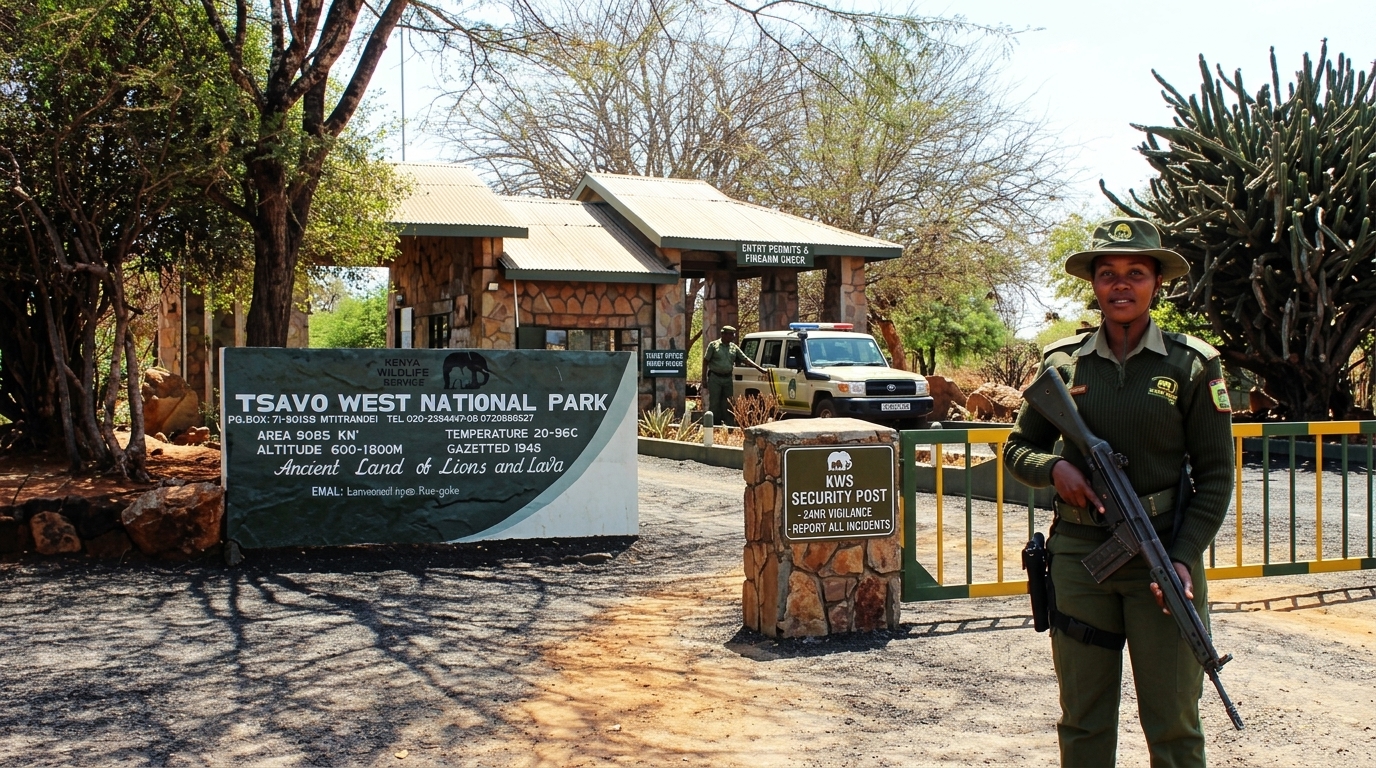
Kenya’s national parks are among the safest places in the country for tourists. They are managed by the Kenya Wildlife Service with professional armed rangers, permit-based access, and radio communication across the park. Violence against tourists in Kenya’s national parks is extremely rare far rarer than in equivalent wildlife areas on other continents.
Once you leave Nairobi and enter the safari circuit, the safety dynamic shifts almost entirely away from crime concerns and toward the entirely different category of wildlife safety which is managed by your guide and is covered in its own section below.
Naivasha
Naivasha is a tourism-focused town with a strong, stable local economy built around the lake, the flower farming industry, and the safari circuit. It has a lower crime profile than Nairobi and is one of the safest entry points into Kenya’s wildlife areas. Our team at Crescent Shores is based here, and the daily reality is a town that is safe, functional, and welcoming to visitors.
Nairobi — With Specific Guidance
Nairobi is a major African city with the contrasts that entails. The established tourist and expat areas — Karen (home of the Karen Blixen Museum and the elephant orphanage), Westlands, Gigiri, and the major international hotel zone are safe and well-serviced, with active police presence and mature security infrastructure.
The city center (CBD) is manageable during the day with normal urban precautions. Certain areas — Eastleigh, Kibera at night carry the same caution you would apply in a similarly characterized neighborhood in any major city worldwide. The same rule that applies in London, New York or Johannesburg applies here: be aware of your surroundings, avoid displaying expensive equipment, and use trusted transport.
The Coast — Mombasa and Diani Beach
Mombasa and Diani Beach are well-established international tourist destinations with good safety records. Standard urban and beach-resort precautions apply. The far northern coast near the Somali border (north of Malindi toward Lamu Island and beyond) carries a different advisory check current FCDO and State Department guidance for specific coastal areas before travel.
Where Extra Caution Is Warranted
Being honest about this section is what makes the rest of the article credible.
Northeastern Kenya (Mandera, Wajir, Garissa districts): These areas near the Somalia and Ethiopia borders have experienced serious security incidents. They are not tourist destinations. No safari itinerary includes them. The Kenya government advises its own citizens to exercise caution here.
North of Malindi on the coast: Parts of the northern coast closer to the Somali border carry elevated advisory levels. Lamu Island has been the subject of periodic travel warnings from several governments check current advisories specifically for Lamu before any planned visit.
Nairobi city center at night: Night walking in the CBD and in unfamiliar Nairobi neighbor hoods carries elevated petty crime risk. This is a practical precaution, not a serious threat but it is worth stating clearly.
The Specific Safety Concerns Travelers Ask About
Terrorism
Kenya has experienced terrorist attacks the 1998 US Embassy bombing, the 2013 Westgate Mall attack, the 2015 Garissa University attack, and the 2019 DusitD2 hotel attack. These are facts, not rumors, and dismissing them would be dishonest.
They are also facts that sit alongside this: Kenya’s security response since 2013 has been substantial. Security screening at shopping centers, hotels, and public venues is now thorough and visible. The Kenyan government and its international partners invest heavily in counter-terrorism across the country.
The honest assessment: the probability of a tourist being caught in a terrorist incident in Kenya is very low, comparable to or lower than the equivalent risk in several European capitals. The risk is real but statistically small. Travelling to the Maasai Mara, Naivasha, or Amboseli does not meaningfully increase your terrorism risk compared to most international travel.
Petty Crime
Pickpocketing and bag snatching in Nairobi’s crowded areas (bus stations, busy streets, markets) is the most common crime affecting tourists. This is a concern for anyone walking with a phone, camera, or bag visible in the city.
Practical response: Use ride-hailing (Uber, Bolt) rather than walking between destinations in Nairobi. Keep phones out of sight in public. Leave expensive camera equipment in your hotel or vehicle when not in use. Use hotel safes for passports and cash.
In safari areas (Naivasha, Mara, Amboseli, Samburu), petty crime against tourists is rare. Your greatest concern is your vehicle door, not a pickpocket.
Road Safety
This is, genuinely, the most significant safety risk for tourists in Kenya , and it is one that most safety guides understate.
Kenyan roads carry a mix of heavy trucks, matatus (public minibuses with variable driving standards), motorcycles, and pedestrians. Night driving on rural roads is particularly hazardous. Road accidents involving tourist vehicles do occur.
How reputable operators manage this: All professional safari operators use experienced, licensed drivers who know the roads, avoid night driving, and maintain well-serviced vehicles. When you book through a reputable Kenya operator, your road safety is significantly higher than if you self-drive. This is one of the practical reasons we strongly recommend booking with a local operator rather than renting a car independently.
Wildlife
Wildlife safety in national parks is managed by your guide and by staying in your vehicle. Incidents involving tourists and wildlife in Kenya’s parks are genuinely rare but when they happen, they almost always involve someone who did not follow guide instructions.
Follow your guide’s instructions at all times. Do not exit the vehicle unless specifically told it is safe to do so. Do not feed wildlife. Do not use flash photography near animals.
Naivasha is the one location where wildlife encounters on foot are a deliberate part of the experience ,the boat safari, Crescent Island walks, and Hell’s Gate cycling. These are managed activities with professional guidance and appropriate safety protocols. They have an excellent safety record.
Practical Safety Tips for Kenya in 2026
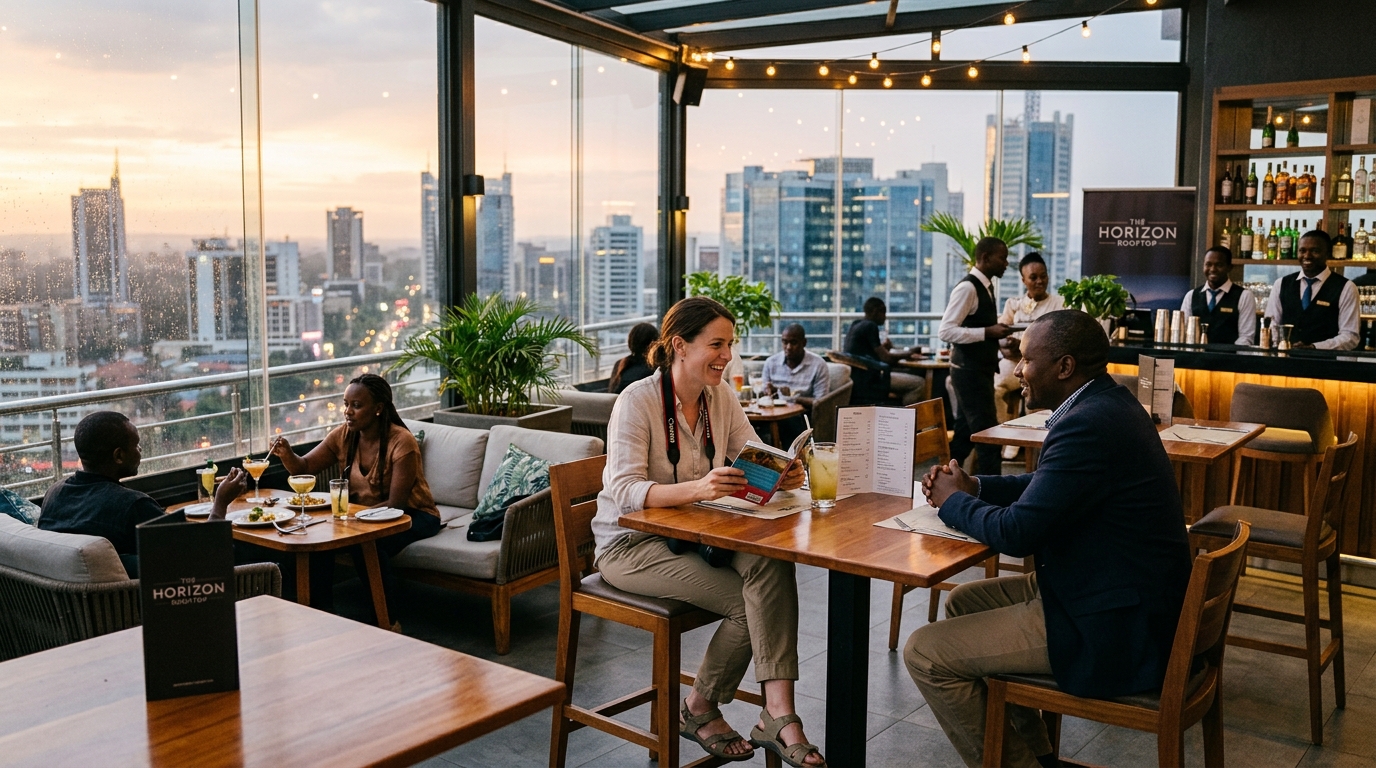
- Use reputable, vetted transport. Uber and Bolt are safe and straightforward in Nairobi. Outside Nairobi, use your operator’s vehicles and drivers.
- Keep document copies separate from originals. Carry a phone photo of your passport and keep the physical document in your hotel safe.
- Get travel insurance with medical evacuation cover. Medical evacuation from the Maasai Mara to Nairobi by air costs USD $3,000–$5,000 without insurance. This is non-negotiable.
- Do not walk at night in Nairobi’s city centre. Use ride-hailing or your hotel’s transport.
- Tell your accommodation where you are going. Standard travel safety practice, particularly for day excursions.
- Drink bottled or treated water throughout. Avoid tap water and ice in local restaurants outside established tourist venues.
- Respect local customs. Kenya is a predominantly conservative society outside its tourist areas. Modest dress (covered shoulders and knees) in non-tourist towns and religious sites is appropriate and will be appreciated.
- Register with your country’s embassy or consulate. Most countries offer a traveler registration service for safety monitoring.
For health precautions including malaria prophylaxis and vaccinations, see our complete Safari Health and Packing Guide →
Is Kenya Specifically Safe for Solo Female Travelers?
Yes ,with the same specific precautions that apply to any solo female traveler in an unfamiliar destination.
Safari areas and Naivasha: very safe. The guided, structured nature of a safari with your group, a professional guide, and a reputable camp provides an inherently secure environment regardless of gender.
Nairobi: the standard urban precautions apply. Solo female travelers should avoid walking alone at night in the CBD and unfamiliar areas. Most accommodation in Nairobi’s tourist areas is in well-secured hotels or guesthouses with active security. Ride-hailing (Uber/Bolt) is the recommended transport.
Many of our clients travel solo, including many women. We provide specific pre-departure briefings to solo travelers and brief our guides on their arrival schedule.
Plan Your Kenya Safari with Confidence
We live and work in Kenya. We have built our business here and our team’s families are here. We would not recommend a destination we did not believe in.
If you have specific safety questions about your planned itinerary, your travel dates, or the current security situation in any area of Kenya, message us directly. We will give you an honest, current, specific answer — not a promotional line from a brochure.
 WhatsApp or call: +254 790 292 838
  Email: welcome@crescentshoresretreats.com
  Start planning: Kenya Safari Packages 2026 → Health and packing guide: What to Pack for a Safari → Contact our team: Get in Touch →
Frequently Asked Questions — Kenya Safety 2026
Is it safe to travel to Kenya right now in 2026?
Yes, for Kenya’s main tourism areas. The Maasai Mara, Amboseli, Tsavo, Samburu, Naivasha, Nairobi’s established tourist districts, and the coast at Mombasa and Diani Beach are all safe for international visitors with standard travel precautions. The UK FCDO, US State Department, and Australian DFAT all rate Kenya’s safari areas as standard-caution zones equivalent to dozens of other popular tourist destinations worldwide. The specific elevated warnings apply to northeastern Kenya border regions and parts of the northern coast, which are not safari destinations.
Is the Maasai Mara safe for tourists?
Yes. The Maasai Mara National Reserve is one of the safest destinations in Kenya. The reserve is managed by the Narok County government and Kenya Wildlife Service with professional ranger patrols. Violence against tourists in the Mara is extremely rare. The primary safety consideration in the Mara is wildlife which is managed by following your guide’s instructions and remaining in your vehicle during game drives. Serious incidents involving tourists and wildlife in well-managed Kenya parks are very uncommon.
Is Nairobi safe for tourists?
Nairobi is safe in its established tourist areas Karen, Westlands, Gigiri, and the major international hotel zone with normal urban precautions. The city center (CBD) is manageable during the day with awareness. Standard precautions: use Uber or Bolt rather than walking between destinations, avoid displaying expensive equipment in crowded areas, and don’t walk alone at night in the CBD or unfamiliar neighborhoods. These are the same precautions a sensible traveler would apply in most major international cities.
What should I avoid doing in Kenya as a tourist?
Avoid: walking at night in Nairobi’s city center or unfamiliar neighborhoods; displaying expensive phones or cameras in crowded Nairobi areas; travel to northeastern Kenya near the Somalia border; self-driving on unfamiliar roads at night; drinking tap water or ice in non-tourist-focused venues; and ignoring your safari guide’s instructions regarding wildlife proximity. These precautions eliminate the overwhelming majority of risk for a safari visitor.
Is Kenya safe for solo female travelers?
Yes, with standard solo female travel precautions. Safari areas and Naivasha are very safe , the guided, structured nature of a safari provides inherent security. In Nairobi: use ride-hailing services rather than walking at night, stay in well-secured accommodation in tourist areas, and apply the same awareness you would in any unfamiliar city. Many of our clients travel solo, including women travelling alone. We provide specific pre-departure briefings to solo travelers on request.
Do I need travel insurance for Kenya?
Yes , travel insurance with medical evacuation cover is non-negotiable for a Kenya safari. Medical evacuation from the Maasai Mara to Nairobi by air ambulance costs approximately USD $5,000 to $15,000 without insurance. Annual multi-trip policies from providers such as World Nomads or Allianz typically include medical evacuation for East Africa at approximately GBP £80 to £150 per year for UK travelers, or equivalent for other nationalities. Do not travel to Kenya, or any East African destination, without confirmed medical evacuation cover.
— Crescent Shores Retreats, Naivasha, Kenya Naivasha-based safari tour operator · Kenya · Tanzania · Uganda · Rwanda +254 790 292 838 · welcome@crescentshoresretreats.com

Leave A Comment