
Last updated: 27 October 2026
Planning a safari in Kenya but wondering whether it is safe to visit right now? You are not alone. With recent changes to international travel advisories and health-related concerns, many travellers are looking for clear, reliable information before booking their African safari.
The short answer is that you should not assume a Kenya safari is risk-free, nor should you interpret a countrywide travel advisory as an automatic ban on every safari destination. Kenya’s current health and security situation requires careful assessment, up-to-date information, and itinerary-specific planning.
On 19 October 2026, the United States Department of State raised its travel advisory for Kenya to Level 3: Reconsider Travel. The advisory cites health risks, crime, kidnapping, terrorism, unrest, and road safety concerns. Meanwhile, health authorities are monitoring confirmed cases of Ebola Bundibugyo virus disease in Kenya.
Does this mean you should cancel your dream safari to the Maasai Mara, Amboseli, Lake Nakuru or Naivasha? Not necessarily. It means you should understand the current risks, check official guidance, and make informed decisions before travelling.
At Crescent Shores Retreats, we believe responsible travel starts with honest information. This guide explains the latest developments, what travellers should consider when planning a Kenya safari, and the practical steps that can help you prepare responsibly.
Important: This article reflects information available on 27 October 2026. Travel advisories and public health guidance can change quickly. Always verify the latest official guidance before departure.
1. What Is the Current Travel Advisory for Kenya?
The U.S. Department of State raised Kenya’s travel advisory from Level 2, Exercise Increased Caution, to Level 3, Reconsider Travel, on 19 October 2026.
The revised advisory identifies several areas of concern:
- Health risks associated with the Ebola Bundibugyo virus disease situation.
- Crime, including violent crime and kidnapping.
- Terrorism risks in certain parts of the country.
- Civil unrest and demonstrations.
- Road traffic accidents and other transportation risks.
A Level 3 advisory is a recommendation to reconsider travel, not a blanket prohibition on visiting the country. However, travellers should take the warning seriously and assess their individual circumstances, itinerary and tolerance for risk.
The U.S. advisory also identifies particular locations under Level 4, Do Not Travel. These include Nairobi’s Eastleigh and Kibera neighbourhoods, specified northern and coastal areas, and parts of the country’s western and northern frontier regions.
These are specific geographic restrictions, not a declaration that every location in Kenya has the same level of risk.
Travellers should also review the latest guidance from the UK Foreign, Commonwealth & Development Office (FCDO), their own national foreign ministry, and relevant public health authorities.
Official resources:
2. Is Kenya Safe for Safari During the Ebola Health Situation?
Health concerns are an important part of the current travel discussion.
Kenya confirmed an imported case of Ebola Bundibugyo virus disease in October 2026, followed by additional confirmed cases. According to the European Centre for Disease Prevention and Control, nine cases, including one death, had been reported in Kenya as of 22 October 2026.
Health authorities have been undertaking surveillance, contact tracing and other public health response measures.
Ebola is a serious infectious disease. Transmission generally occurs through direct contact with the blood or other bodily fluids of an infected person who is symptomatic, or with contaminated materials. It is not spread simply because someone is in the same country as an infected person.
Nevertheless, travellers should not dismiss the current situation or rely on general online reassurance to make health decisions.
Before travelling:
- Check the latest updates from Kenya’s Ministry of Health and recognised international public health agencies.
- Review any health screening, declaration or entry requirements that apply to your travel history.
- Speak to a qualified travel-health professional about your itinerary and personal health circumstances.
- Follow official instructions if you are contacted about a possible exposure or develop symptoms after a relevant exposure.
- Maintain good hand hygiene and avoid contact with the bodily fluids of anyone who is ill.
Do not assume that every part of Kenya has identical exposure conditions, but equally do not assume that a particular safari destination is exempt from all health risks simply because it is remote.
For official information, visit the Kenya Ministry of Health and the European Centre for Disease Prevention and Control.
3. Are the Masai Mara, Amboseli, Lake Nakuru and Naivasha Safe to Visit?
One of the most important questions for safari travellers is whether their intended destination is affected by a travel warning or a local operational restriction.
Kenya’s wildlife destinations are spread across different regions. A warning concerning one county, neighbourhood or border area should not automatically be applied to every national park and conservancy.
However, geographic separation alone does not establish that a destination is currently safe. Travellers should confirm local conditions, park access, health guidance, transport arrangements and any operator-specific restrictions before proceeding.
Here are some of the destinations travellers commonly consider.
Masai Mara National Reserve
The Masai Mara is renowned for its big cats, open grasslands, wildlife photography and seasonal wildebeest migration.
If you are planning a Maasai Mara safari, check the latest official travel guidance, reserve access information and any relevant health or security updates before confirming your arrangements. Ask your operator to explain how transfers, game drives and emergency support will be managed.
Amboseli National Park
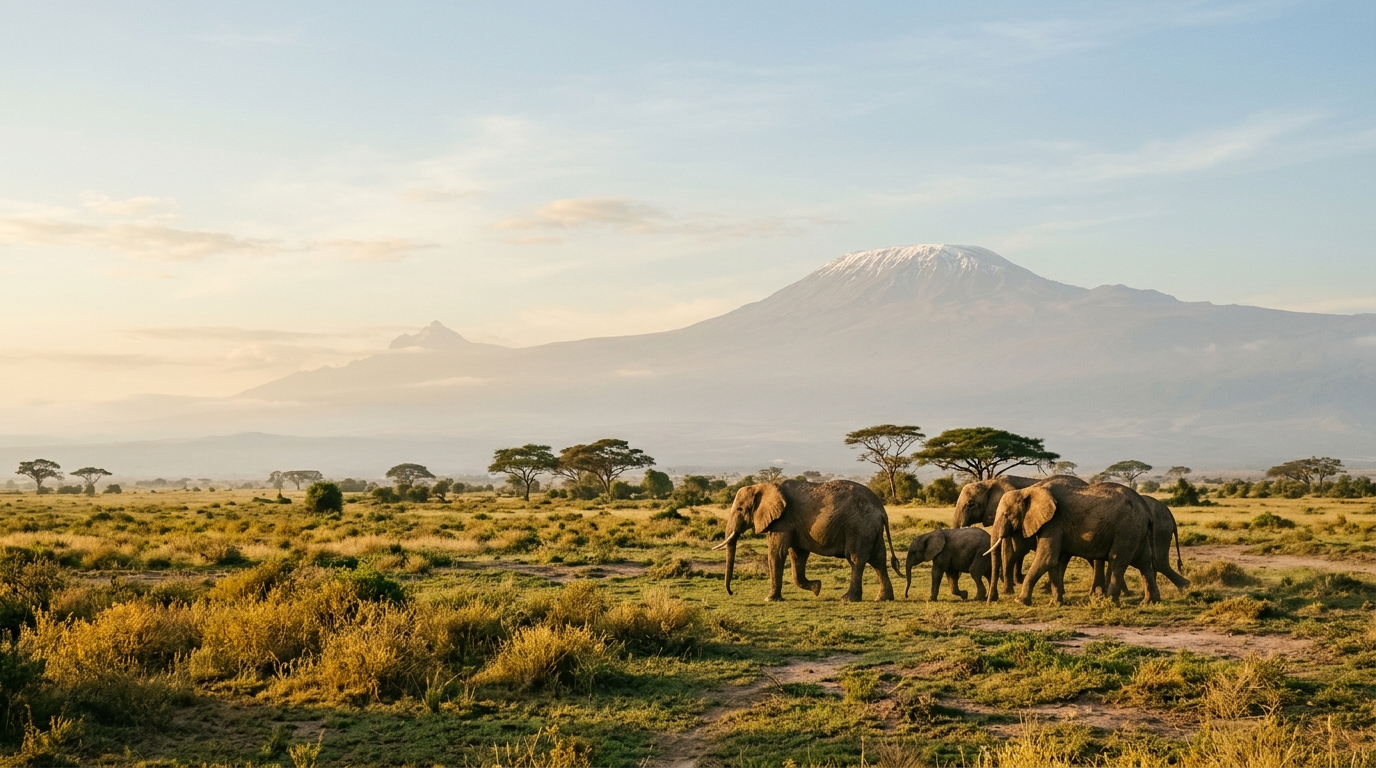
Amboseli is famous for its elephant herds and views of Mount Kilimanjaro. It is a popular destination for photographers and travellers seeking a classic East African safari.
Before travelling, confirm current park access, road conditions, accommodation operations and the suitability of your proposed route.
Lake Nakuru National Park
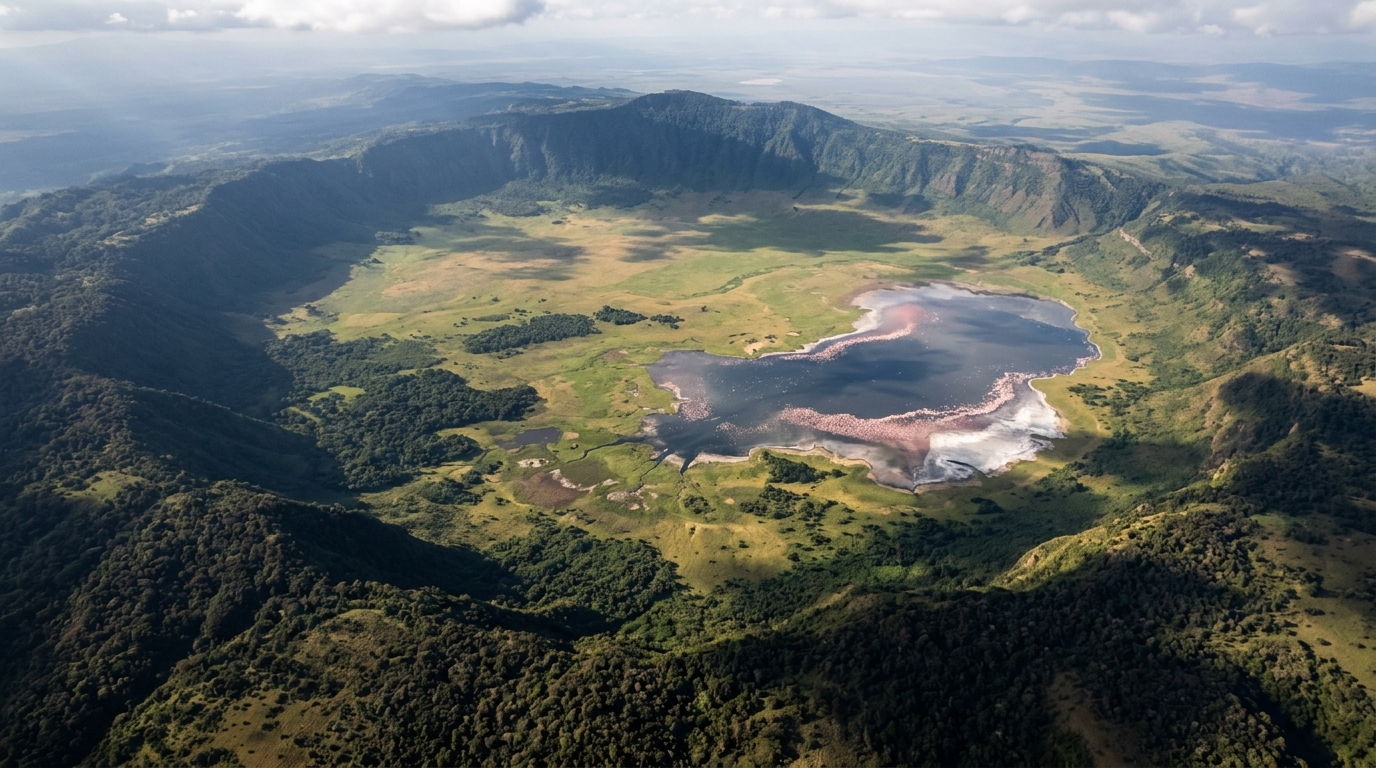
Lake Nakuru is known for its birdlife, rhinos and opportunities to see other wildlife within a relatively compact park.
Travellers should check current local conditions and the latest official advice for the planned journey, including the road transfer from Nairobi or other destinations.
Lake Naivasha and the Naivasha Region
Naivasha offers a different experience from a traditional game-drive safari. Visitors can explore the Great Rift Valley landscape, enjoy lake and birdlife experiences, visit suitable wildlife areas and combine nature with relaxing lodge stays.
For travellers considering Naivasha, it is worth checking the status of individual attractions, accommodation providers and road transfers rather than relying on broad assumptions about the entire country.
Crescent Shores Retreats is based in Naivasha and helps travellers plan experiences and journeys in the region. We encourage visitors to make decisions based on current official guidance and the actual conditions affecting their proposed itinerary.
Tsavo and Samburu
Tsavo’s expansive wilderness and Samburu’s distinctive northern wildlife make them attractive to safari enthusiasts.
Both destinations require itinerary-specific checks. In particular, the U.S. advisory contains geographic provisions relating to parts of the northern and coastal regions, including a specific exception for Tsavo National Park within the Tana River County restriction. This should not be interpreted as a blanket clearance for every route or location in the wider region.
Our recommendation: Before describing any park as open, unaffected, or safe to visit, confirm the latest park-specific and regional information with the relevant authorities and accommodation or safari operator.
4. What Safety Precautions Should You Take on a Kenya Safari?
Regardless of the destination, good preparation is essential for an enjoyable and responsible safari.
Book Through a Reputable Safari Operator
Choose a professional operator that can explain your itinerary, accommodation arrangements, transport, activities and emergency procedures.
Before paying, ask for a written itinerary and clear booking terms. Verify the business and relevant licensing or professional credentials, and avoid purchasing tours from unverified street touts.
A responsible operator should be willing to discuss safety questions honestly rather than promise that nothing can go wrong.
Plan Road Transfers Carefully
Road safety is a significant consideration when travelling in Kenya.
Long-distance journeys may involve busy highways, changing road conditions, fatigue, and travel through remote areas. Whenever practical:
- Schedule longer transfers during daylight hours.
- Use a well-maintained vehicle suitable for your route.
- Travel with a qualified, experienced driver.
- Wear seat belts throughout the journey.
- Allow sufficient time between destinations rather than rushing to meet a schedule.
- Check road conditions and any security alerts before departure.
If your itinerary includes several national parks, have your operator review the route and transfer times before confirming the programme.
Follow Wildlife Viewing Rules
Safari safety also includes respecting wildlife.
Always follow your guide’s instructions, remain inside the vehicle unless your guide confirms that leaving it is permitted, and keep a safe distance from animals. Never attempt to feed, touch, or approach wild animals for a photograph.
At walking safaris or other activities outside a vehicle, use appropriately qualified guides and follow the rules of the reserve or conservancy.
Keep Up With Local Security Information
Avoid demonstrations and large political gatherings. Monitor reliable local news and official advisories, particularly before travelling between cities or through unfamiliar areas.
Keep your accommodation and driver informed of your movements, protect your valuables and avoid walking alone through isolated areas.
Arrange Appropriate Travel Insurance
Choose travel insurance that covers your planned activities, medical treatment and emergency evacuation where available.
Read the policy carefully. Some policies contain exclusions relating to government travel warnings, known events, epidemics or pandemics. Ask your insurer to clarify whether your proposed trip remains covered under the current circumstances.
Do not assume that ordinary travel insurance automatically covers every medical or evacuation expense.
Check Entry and Health Requirements
Most international visitors who are not exempt must obtain Kenya’s Electronic Travel Authorisation (eTA) before travelling.
Review the official Kenya eTA website for the requirements applicable to your nationality and circumstances. Check health declarations, screening measures, and vaccination documentation where relevant.
Do not rely on outdated social media posts for entry requirements or assume that a particular insurance product is mandatory unless the current official rules confirm it.
5. Should You Cancel Your Kenya Safari or Continue Planning?
There is no single answer for every traveller.
Your decision should depend on the current official advice, your departure date, your intended destinations, your personal health circumstances, your insurance coverage and whether you can change your plans if conditions deteriorate.
If Your Safari Is Coming Up Soon
Contact your airline, accommodation provider and safari operator before making a decision.
Ask whether your itinerary is operating as planned, whether any local restrictions apply and what options exist if you need to postpone or amend your booking.
Review the terms of your insurance and cancellation policy before committing to additional expenses.
If You Are Planning a Future Safari
You may be able to continue researching destinations and requesting provisional itineraries while monitoring developments.
However, avoid non-refundable commitments until you understand the relevant travel advice, the applicable terms and your available options.
If Your Government Advises Against Your Intended Destination
Take that advice seriously. If the warning applies directly to your proposed route or destination, consult the relevant authorities, your insurer and your travel provider before proceeding.
The objective should not be to find a way around an official warning. It should be to understand the risks and decide whether the trip is appropriate under the circumstances.
6. Why a Well-Planned Itinerary Matters
A safari is more than a list of national parks. The journey between destinations, the accommodation selected, the timing of transfers and the availability of support all contribute to the overall experience.
For example, a multi-destination safari may combine Nairobi, Naivasha, Amboseli, the Maasai Mara or other wildlife regions. Each leg should be reviewed for journey time, road conditions, accommodation availability and current local guidance.
A thoughtful itinerary can reduce unnecessary rushing, avoid impractical late-night transfers and make it easier to respond when conditions change.
Travellers should also know who to contact if a transfer is delayed, an activity becomes unavailable or new official guidance affects the programme.
This is where working with an experienced local travel planner can be helpful. Local knowledge should complement—not replace—official safety information.
7. How Crescent Shores Retreats Can Help You Plan Responsibly
At Crescent Shores Retreats, we help travellers explore Naivasha and wider Kenya through tailored itineraries, accommodation planning, excursions and transport arrangements.
Whether you are interested in wildlife photography, big-cat sightings, birdwatching, cultural experiences or a relaxing stay in the Great Rift Valley, our goal is to help you understand your options and plan a journey that suits your interests.
When discussing a proposed safari, we encourage travellers to:
- Review the latest government travel advisories.
- Confirm the status of each intended destination and transfer route.
- Understand the accommodation and transport arrangements.
- Review insurance coverage and relevant entry requirements.
- Keep their itinerary flexible enough to respond to changing conditions.
We do not promise a risk-free trip, and we will not substitute marketing reassurance for current official guidance. Instead, we believe travellers deserve clear communication and practical information when making decisions.
Planning a Kenya safari? Visit Crescent Shores Retreats to explore our travel experiences and discuss an itinerary that reflects your interests, travel dates, and requirements.
Frequently Asked Questions About Safari Safety in Kenya
Is Kenya safe for safari right now?
Kenya’s current security and public health situation requires careful consideration. As of 22 October 2026, the U.S. Department of State advises travellers to reconsider travel to Kenya, while other governments provide their own regional guidance. Check the latest official advisories and the specific conditions affecting your proposed safari before deciding.
Is Kenya’s Level 3 travel advisory a travel ban?
No. The U.S. Level 3 advisory means travellers should reconsider travel; it is not itself a blanket ban on entering Kenya. The advisory separately identifies specific locations under Level 4, Do Not Travel. Travellers should follow the guidance issued by their own government.
Is the Maasai Mara affected by the Kenya travel advisory?
The advisory should be assessed geographically rather than assumed to apply identically to every destination. Before travelling to the Maasai Mara, check the current official advice, reserve access, local conditions and your proposed transfer route. Do not assume that a destination is risk-free simply because it is outside a specifically restricted area.
Is Naivasha safe for tourists?
Naivasha is a popular destination for nature-based tourism, but its current suitability for travel should be assessed using up-to-date official guidance and information about the particular activities, accommodation and transport involved. Travellers should verify conditions before departure.
Is there an Ebola outbreak in Kenya in October 2026?
Kenya has reported confirmed cases of Ebola Bundibugyo virus disease in October 2026. The European Centre for Disease Prevention and Control reported nine cases, including one death, as of 22 October. Follow the latest updates from Kenya’s Ministry of Health and recognised international public health agencies.
Can I still book a Kenya safari for a future date?
You can research options and discuss proposed itineraries, but whether you should proceed with a booking depends on the current travel advice, your destination, departure date, insurance terms and personal circumstances. Review cancellation policies carefully before making non-refundable payments.
What is the safest way to travel between Kenya’s safari destinations?
Use reputable transport and safari operators, qualified drivers, suitable vehicles, and carefully planned transfer times. Daylight travel is preferable for longer road journeys where practical. Check local conditions and official security guidance before setting off.
Do I need travel insurance for a Kenya safari?
Travel insurance is strongly recommended. Look for appropriate medical and emergency evacuation cover, and check whether the policy covers your intended activities and remains valid under the current travel advisories. Verify any compulsory insurance or entry requirements directly with the relevant official authorities.
Where can I check the latest Kenya travel advice?
Start with the U.S. Department of State’s Kenya advisory, the UK Government’s Kenya travel advice, the Kenya Ministry of Health and the Kenya eTA portal. Travellers should also consult their own government’s official travel advice.
Final Thoughts: Make an Informed Decision Before Your Kenya Safari
Kenya offers extraordinary wildlife, landscapes and cultural experiences, but responsible travel requires more than beautiful photographs and enthusiastic recommendations.
With heightened travel advisories and evolving health developments in October 2026, the most sensible approach is to check official guidance, assess your intended destinations, verify transport and accommodation arrangements, and make sure you understand your insurance and cancellation options.
The key question is not simply whether Kenya is safe. It is whether your specific itinerary is appropriate given the latest information and your personal circumstances.
Crescent Shores Retreats encourages travelers to stay informed, ask questions, and plan responsibly. If you are considering a safari in Naivasha or elsewhere in Kenya, get in touch to discuss your travel interests and the information you need before making a decision.
Travel information note: This article is intended for general information and is not a substitute for government travel advice, professional medical guidance, or an individual security assessment. Conditions may change after publication. Always verify current information before departure.

Leave A Comment