
By Crescent Shores Retreats · Naivasha, Kenya · Published May 2026 · 14 min read
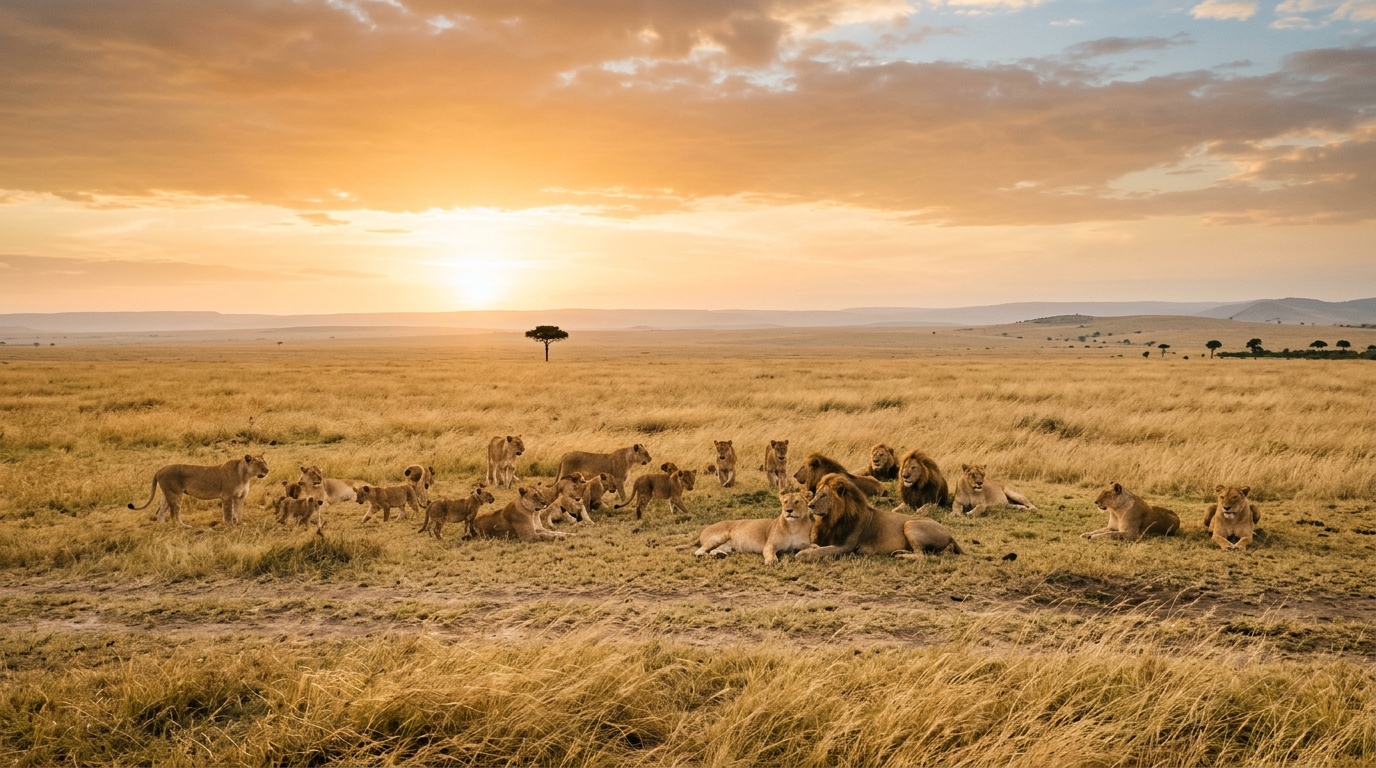
Say the word “Serengeti” in any language and most people know immediately what it means: lions, the migration, golden plains without end. The Serengeti is the most recognised safari name on earth — and it earns that recognition. Tanzania’s national parks cover nearly a third of the country’s total land area, protecting ecosystems of a scale and integrity that have no parallel anywhere in Africa.
Tanzania and Kenya share the same great ecosystem — the Serengeti and the Maasai Mara are one continuous wilderness divided by a political border. But Tanzania extends that wilderness across landscapes that have no Kenyan equivalent: the otherworldly bowl of the Ngorongoro Crater, the baobab savannas of Tarangire, the flamingo-fringed shallows of Lake Manyara, and the Swahili coast of Zanzibar just one hour away by air.
As a Naivasha-based East Africa tour operator, Crescent Shores Retreats organises Tanzania safari packages — alone and in combination with Kenya itineraries — for international and local travellers who want more than one country from a single booking. This is your complete Tanzania safari guide for 2026.
Why Add Tanzania to Your East Africa Safari?
The single most important thing to understand about Tanzania as a destination is this: most serious East Africa travellers plan Kenya and Tanzania together. The two countries are neighbours. Their greatest wildlife areas share the same ecosystem. Their game viewing calendars complement each other almost perfectly. And the logistics of crossing from one to the other — by road at Namanga or by a 45-minute flight from Nairobi to Kilimanjaro — are simpler than most people assume.
As a Kenya-based operator, this is our strongest differentiator. We know both sides of the border. We build itineraries that make sense geographically and seasonally — starting in Naivasha and the Maasai Mara, crossing into Tanzania for the Serengeti and Ngorongoro, and finishing on the coast at Zanzibar if time allows. One operator, one itinerary, both countries.
Tanzania’s specific advantages over Kenya:
Tanzania has more wilderness area, lower visitor density outside peak season, and national parks that are simply bigger and more remote in character. The Serengeti’s northern circuit, in particular, sees significantly fewer vehicles than the Mara during migration season — making game viewing feel more exclusive at comparable cost.
Tanzania also holds the Ngorongoro Crater — which has no Kenyan equivalent. And it holds Zanzibar — which has no parallel anywhere in East Africa.
Tanzania’s Top Safari Destinations in 2026
Serengeti National Park
At 14,763 square kilometres, the Serengeti is one of the largest national parks in Africa and the most famous wildlife destination on earth. It is the Tanzanian portion of the greater Serengeti-Mara ecosystem, and it holds the main body of the Great Wildebeest Migration for approximately nine months of the year.
The Serengeti is not one experience — it is four, depending on which zone you visit.
| Zone | Location | Best For | Peak Season |
|---|---|---|---|
| Seronera (Central) | Middle of park | Year-round game viewing, big cats, easy access | All year, peak Jun–Oct |
| Ndutu (Southern) | South, near Ngorongoro | Calving season, cheetahs, wildebeest on short-grass | Jan–March |
| Western Corridor | West along Grumeti River | Grumeti River crossings, off-peak exclusivity | May–July |
| Northern Serengeti | Near Kenya border, Mara River | Mara River crossings, fewer tourists than Mara side | July–October |
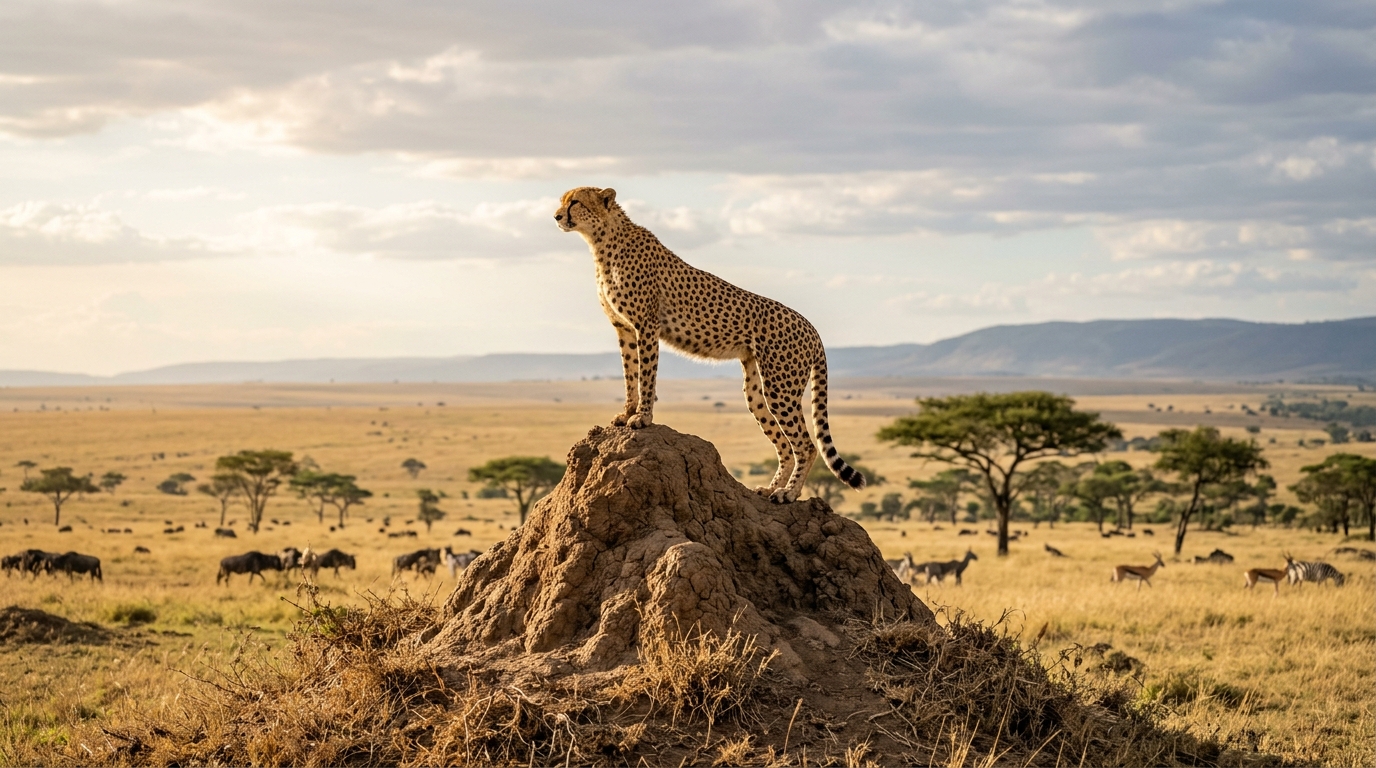
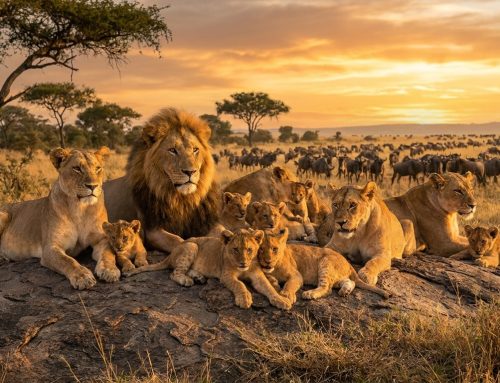
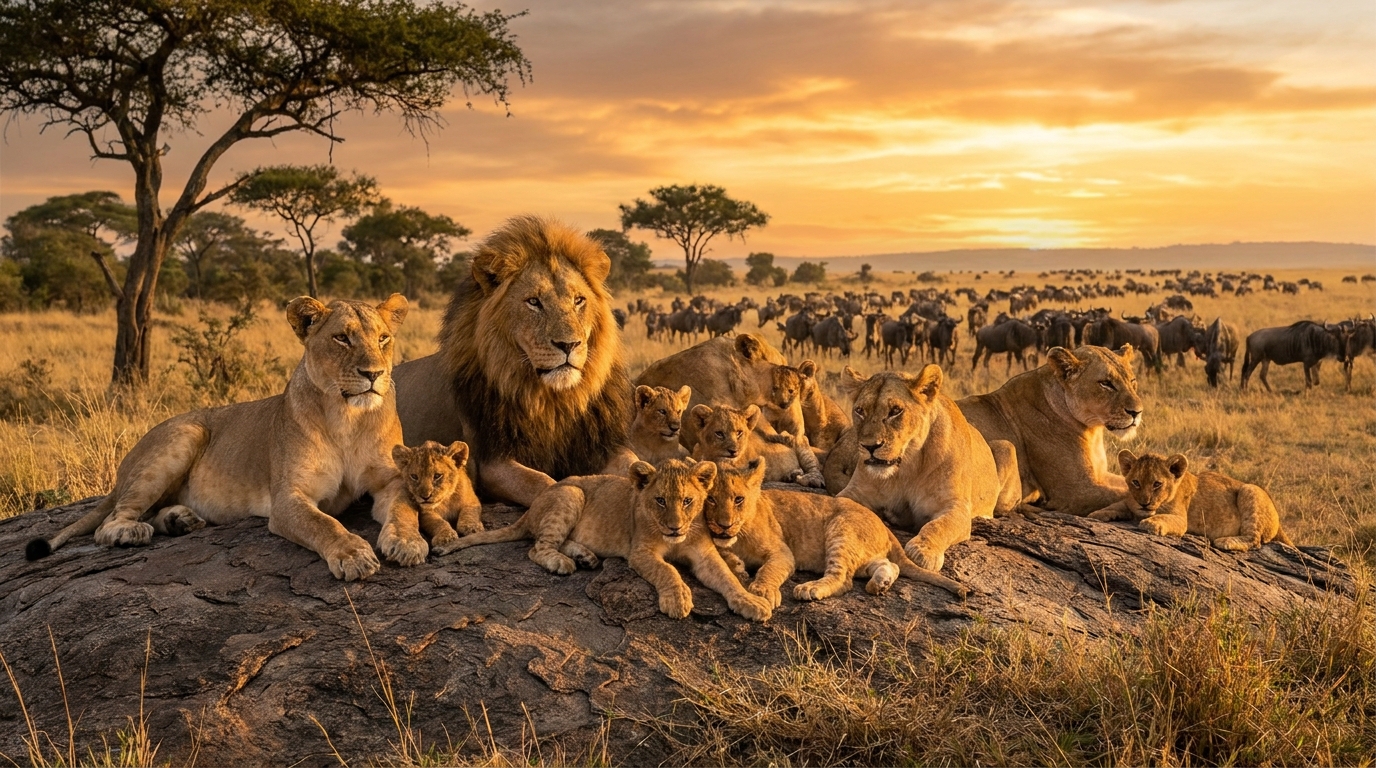
What makes the Serengeti distinct: Its sheer scale. You can drive for four hours inside the park without reaching the boundary. The density of predators — lion, leopard, cheetah, wild dog, hyena — is among the highest anywhere in Africa. And the annual wildebeest migration passes through every zone at different times of year, meaning there is never a genuinely bad time to be in the Serengeti.
Ngorongoro Conservation Area
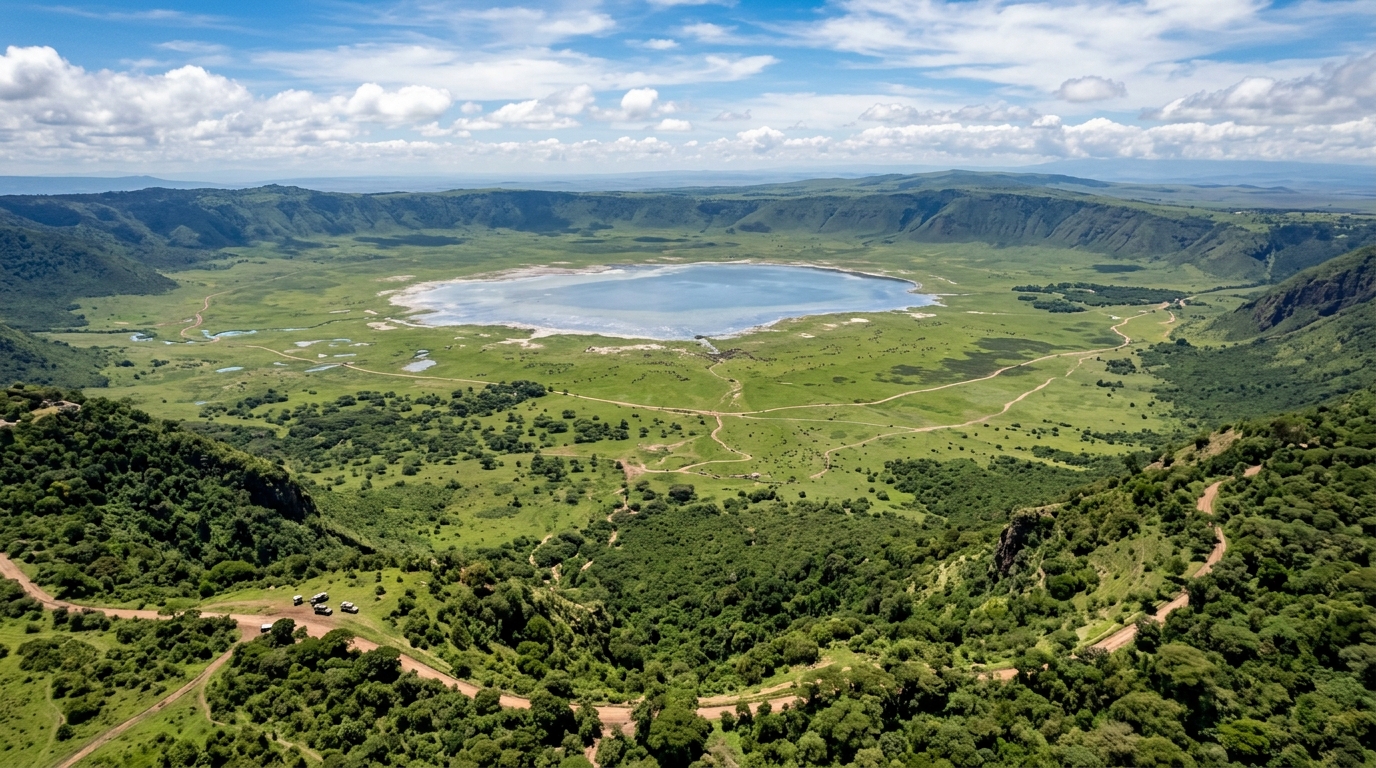
The Ngorongoro Crater is one of the seven natural wonders of Africa and one of the most extraordinary wildlife sanctuaries on earth. It is the world’s largest intact volcanic caldera — 19 kilometres wide, 600 metres deep, and home to a permanently resident population of approximately 25,000 animals who live their entire lives within the crater walls.
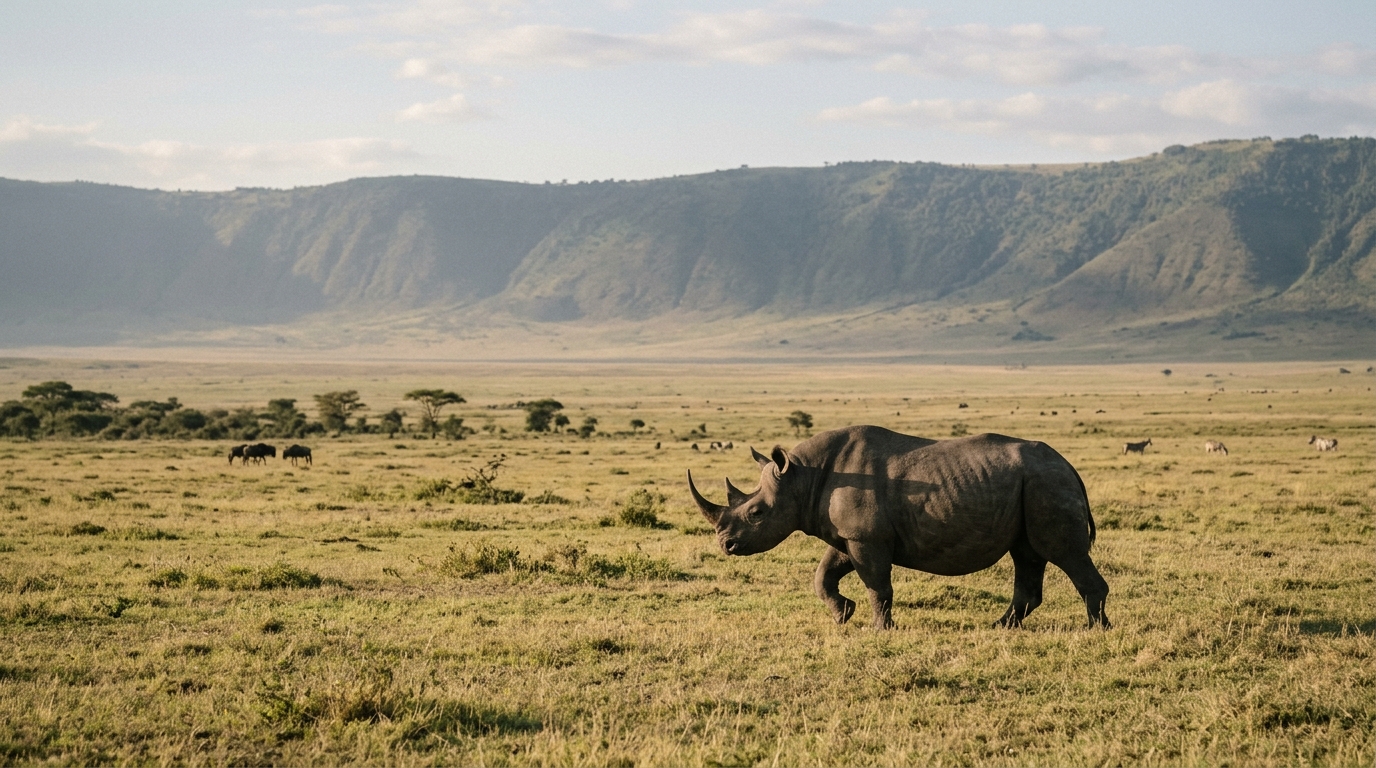
The crater floor holds lions, leopards, elephants, buffalo, hippos, flamingos on Lake Magadi, and — most significantly — one of the highest densities of black rhino anywhere in Africa. If seeing a black rhino on safari is a priority for you, Ngorongoro is the most reliable location on the continent for that sighting.
The descent into the crater each morning is itself an experience — your vehicle drops steeply from the rim at over 2,300 metres into the crater floor below, passing through cloud forest before emerging onto open grassland. The enclosed nature of the ecosystem means wildlife is concentrated in a relatively small area — game viewing is often extraordinary from the first minutes on the crater floor.
Ngorongoro is accessible as a day trip from the Serengeti or as a standalone destination. A crater descent permit costs USD $350 per person for international visitors — additional to the conservation area fees. We include all permits transparently in every Tanzania quote.
Tarangire National Park
Tarangire is Tanzania’s best-kept secret. Less visited than the Serengeti and Ngorongoro, it offers something that neither can match: immense baobab trees dotting a landscape of acacia and grassland, and the most concentrated elephant sightings in East Africa during the dry season.
Between June and October, when the surrounding plains dry out, elephants from across the region converge on the Tarangire River — the only reliable water source for hundreds of kilometres. Herds of 200 to 300 elephants gather along the riverbanks, making for game viewing that even Amboseli rarely matches. Tree-climbing lions are also occasionally sighted in Tarangire’s sycamore fig trees — one of only a handful of places in Africa where this behaviour has been recorded.
Best for: Elephants, baobab landscapes, off-the-beaten-path game viewing, fewer tourists Best time: June to October (dry season)
Lake Manyara National Park
A compact and often overlooked park between Arusha and Tarangire, Lake Manyara is worth a half-day or full-day stop for three specific reasons: its tree-climbing lions (the most reliably sighted of any Tanzania park), the flamingo flocks that turn the lake pink in the right season, and exceptional bird watching with over 400 recorded species.
At just 330 square kilometres, Manyara is often used as an introduction to Tanzania safari game viewing — a gentle first park before the scale of the Serengeti — and pairs naturally with Tarangire as a two-day Northern Circuit opening.
The Great Wildebeest Migration in Tanzania
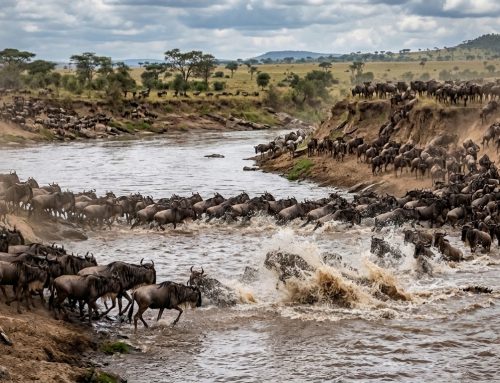
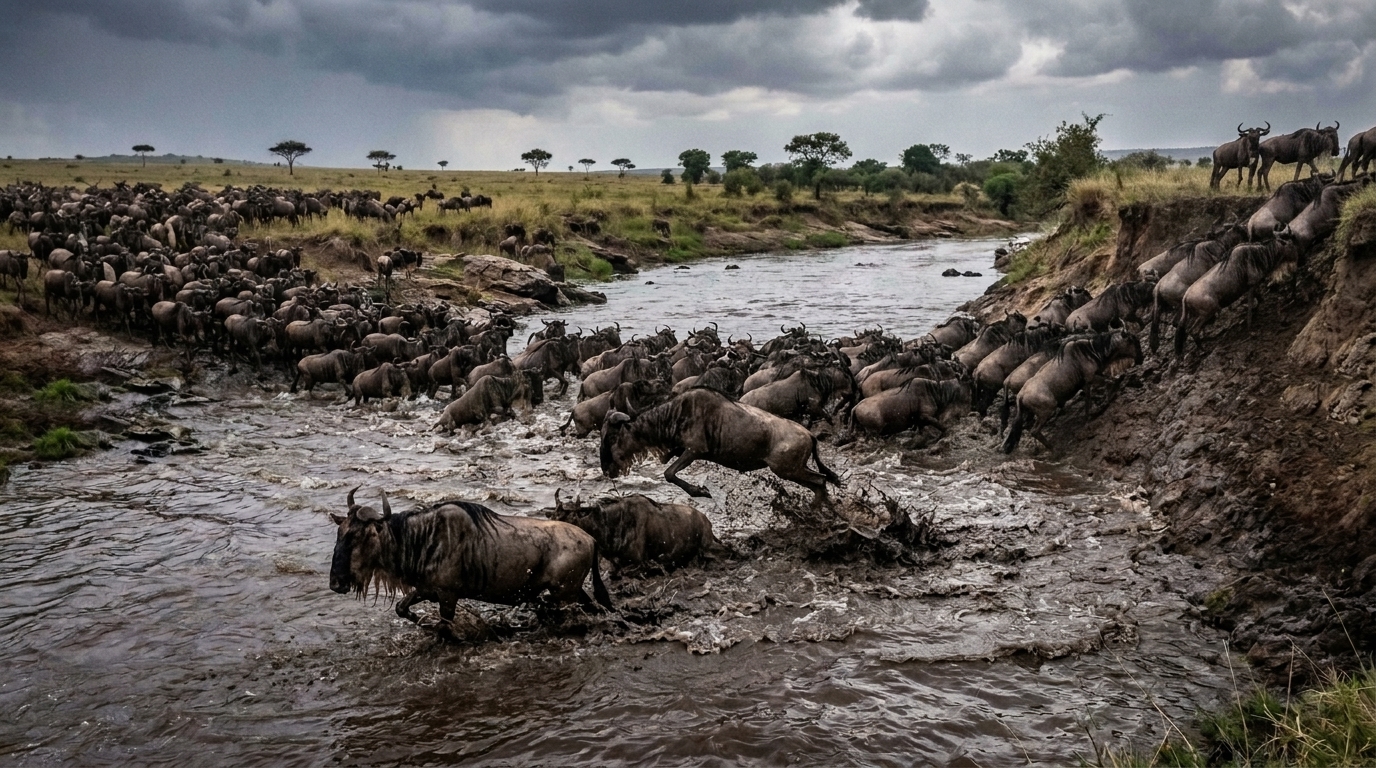
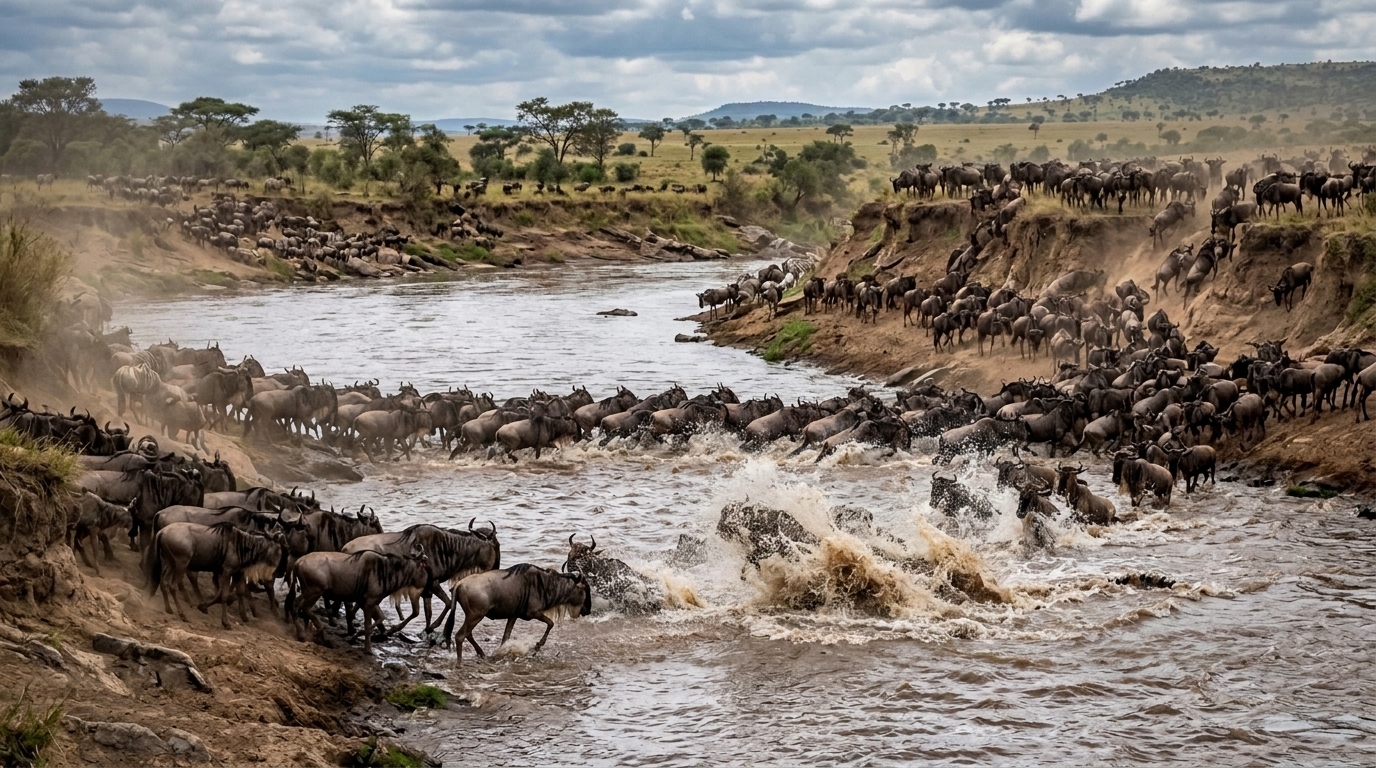
The Great Wildebeest Migration is a year-round phenomenon — and for nine of its twelve months, it happens primarily in Tanzania. Most visitors focus only on the Mara River crossings in Kenya during July to October, missing the extraordinary spectacle of the migration’s Tanzanian phases.
Here is the complete annual migration cycle through Tanzania:
| Period | Phase | Location |
|---|---|---|
| January–March | Calving season. Up to 500,000 wildebeest calves born on the southern plains | Ndutu, Southern Serengeti |
| April–May | Herds move northwest through central Serengeti after the long rains | Central and Western Serengeti |
| May–July | Grumeti River crossings. First dramatic river crossings in Western Corridor | Western Corridor, Grumeti River |
| July–October | Herds cross into Kenya for Mara River crossings, then return south | Northern Serengeti → Kenya |
| November–December | Herds return south through central Serengeti | Central and Southern Serengeti |
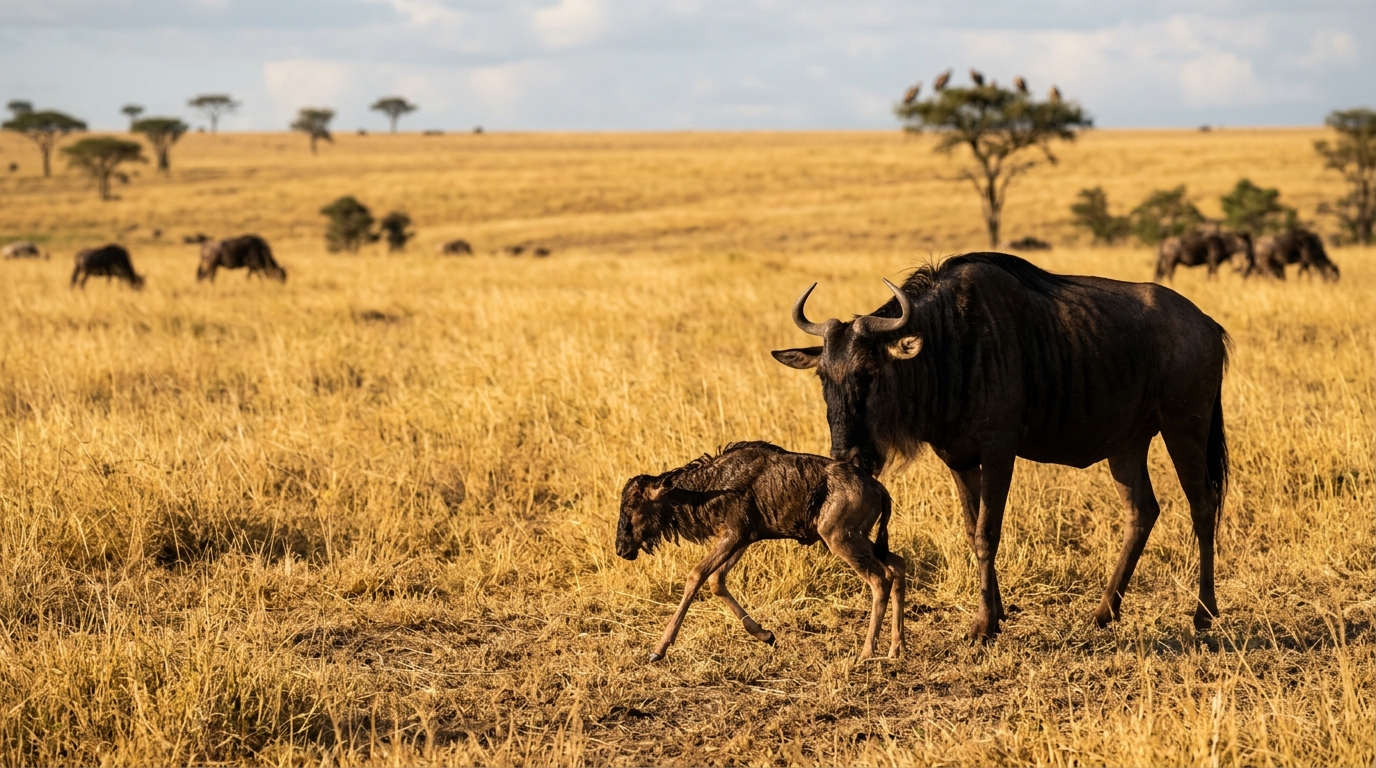
The Calving Season — Tanzania’s Most Underrated Safari Experience
January to March on Ndutu’s southern Serengeti plains is one of the most remarkable wildlife events you will ever witness. Up to 500,000 wildebeest calves are born within a six-week window — an evolutionary strategy of predator saturation that means most calves survive simply because there are too many for the lions and cheetahs to take. A calf can stand within seven minutes of birth and run within the hour.
The calving season attracts the highest concentration of predators in the Serengeti — lions, cheetahs, leopards, and wild dogs all converge on the southern plains for this period. It is simultaneously the most productive hunting season and the most photogenic time in the park. And because it falls during Tanzania’s green season, visitor numbers are lower and accommodation prices are significantly reduced.
This is the Serengeti that most travellers never experience — and one of the most compelling reasons to plan a Tanzania trip for January or February rather than following the crowd to August.
Getting to Tanzania from Kenya
Tanzania is our most natural international extension for Crescent Shores clients beginning their East Africa journey from Naivasha or Nairobi. Here are your options.
By Air — Nairobi to Kilimanjaro Airport (JRO)
The fastest option. Multiple airlines operate direct daily flights from Nairobi JKIA to Kilimanjaro International Airport (JRO) near Arusha — your gateway to the Northern Circuit parks. Flight time: approximately 45 minutes. Cost: USD $80–$180 one way depending on airline and booking lead time.
Kilimanjaro to the Serengeti: From JRO, domestic flights connect to Serengeti airstrips (Seronera, Grumeti, Kogatende) in 45 minutes to 1 hour. Ground transfers from Arusha to the Serengeti take approximately 8 hours — scenic but long. We coordinate all JRO arrivals and onward transfers.
By Road — Nairobi to Arusha via Namanga Border
The Namanga border crossing between Kenya and Tanzania is the most-used overland route. From Nairobi, the drive takes approximately 4 to 5 hours to Arusha — the road is sealed throughout and border crossing is well organised for tourists with valid visas. From Naivasha, add 1.5 hours for a total of approximately 5.5 to 6.5 hours.
We arrange road transfers between Naivasha and Arusha for clients building combined Kenya–Tanzania itineraries, with a professional driver-guide who covers both countries.
Visa for Tanzania
Most international visitors require a Tanzania tourist visa, available as an e-visa in advance at evisa.go.tz (cost: USD $50) or on arrival. East African Community residents (including Kenyan citizens) have separate arrangements. We advise all clients on visa requirements for their specific nationality before travel.
Tanzania Safari Costs in 2026
Tanzania is generally slightly more expensive than Kenya for equivalent safari experiences, primarily because of higher park fees and the greater distances involved in reaching the main parks.
Key park fees for 2026 (non-residents):
- Serengeti National Park: USD $70 per person per day
- Ngorongoro Conservation Area (entrance): USD $80 per person per day
- Ngorongoro Crater descent fee: USD $350 per person per descent (in addition to entrance)
- Tarangire National Park: USD $53 per person per day
- Lake Manyara National Park: USD $53 per person per day
Complete 5-day Tanzania safari costs per person (excluding flights from Nairobi):
| Tier | Per Person (Sharing) | What is Included |
|---|---|---|
| Budget | USD $800–$1,500 | Shared vehicle, tented camp, full-board, 2 game drives per day, park fees |
| Mid-range | USD $1,500–$3,500 | Private vehicle, comfortable lodge, full-board, 3 game drives, park fees |
| Luxury | USD $3,500–$8,000+ | Exclusive camp, private guide, all-inclusive, charter flights between parks |
The Perfect Kenya–Tanzania Safari Itinerary (10–12 Days)
This is our most requested combined itinerary — starting from Naivasha, moving through the Mara, crossing into Tanzania, and finishing at the coast.
Days 1–2 — Naivasha, Kenya Arrive. Sunrise boat safari on Lake Naivasha, guided walk on Crescent Island, Hell’s Gate cycling. Acclimatise to East Africa in the gentlest possible way — hippos, fish eagles, giraffe on a bicycle path.
Days 3–5 — Maasai Mara National Reserve Three nights in the Mara with morning and evening game drives. Big Five, resident lion prides, cheetah on the open grassland. The heart of the Kenya safari experience.
Day 6 — Cross to Tanzania Road transfer from the Mara to the Tanzania border via Isebania crossing, then onward to the Serengeti. The border crossing itself is unremarkable — the change in landscape as you drive deeper into Tanzania is not.
Days 7–9 — Serengeti National Park Three nights in the Serengeti — zone selected based on migration position at time of travel. Central Serengeti for year-round game; Northern for Mara River crossings July–October; Southern Ndutu for calving January–March.
Day 10 — Ngorongoro Crater Early morning descent into the crater floor. Half day of extraordinary concentrated game viewing — black rhino, lion, elephant, flamingo — then ascend and transfer to Arusha or Kilimanjaro Airport.
Days 11–13 (Optional) — Zanzibar Fly from Kilimanjaro to Zanzibar. Three nights of white sand, warm Indian Ocean, Stone Town, and spice market — the perfect decompression after the intensity of game viewing.
Zanzibar — The Natural Extension After Any Tanzania Safari
No East Africa itinerary is complete until someone has suggested Zanzibar, so here it is: Zanzibar is 1 hour by air from Dar es Salaam or Kilimanjaro and is one of the Indian Ocean’s most beautiful archipelagos. White sand beaches, turquoise shallow water, Swahili cuisine, and the UNESCO-listed Stone Town — a labyrinth of Arabic-influenced architecture, carved wooden doors, and spice markets that tells five centuries of trade history in one square kilometre.
Three to five days in Zanzibar after a 7-to-10-day safari is the single most recommended extension we make to clients planning East Africa. The contrast between the red dust of the Serengeti and the turquoise water of Zanzibar’s Nungwi beach is startling in the best possible way.
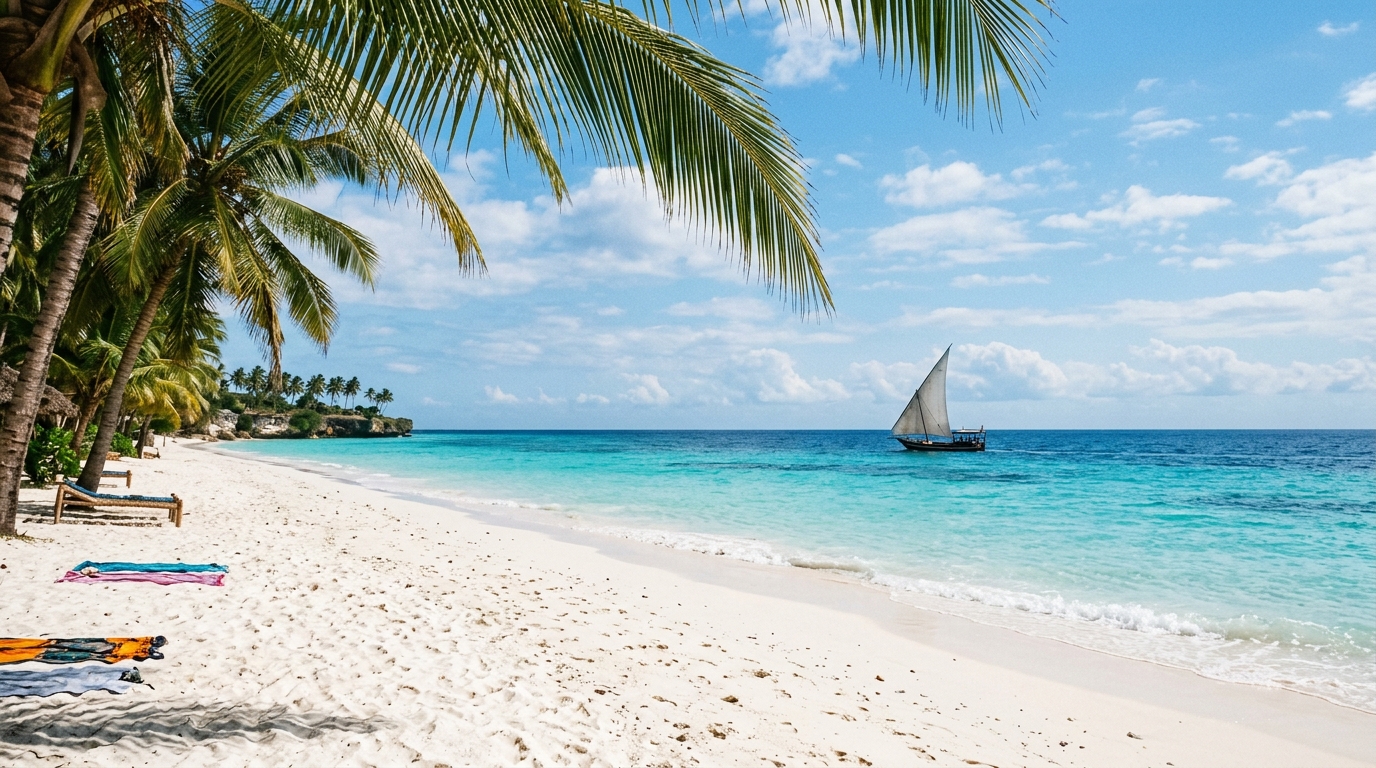
We arrange Zanzibar as part of any Tanzania safari package — domestic flight, accommodation, and airport transfers included.
Plan Your Tanzania Safari with Crescent Shores Retreats
We build Tanzania safari packages from Naivasha — alone or combined with Kenya, gorilla trekking in Uganda or Rwanda, and a Zanzibar coast extension. We handle all Tanzania permits, park fees, internal flights, and border logistics as part of a single seamless itinerary.
📞 WhatsApp or call: +254 790 292 838 📧 Email: welcome@crescentshoresretreats.com 🌐 Request Tanzania Safari Details: Contact Our Team 🌐 Also read: Maasai Mara vs Serengeti — Which Should You Choose? · Kenya Safari Packages 2026
Frequently Asked Questions — Tanzania Safari
Can I do a Tanzania safari from Kenya without going back to Nairobi first?
Yes — and this is exactly how we build our combined itineraries. From the Maasai Mara, you can cross directly into Tanzania via the Isebania border post, driving onward to the Serengeti without returning to Nairobi or Naivasha. This makes a seamless Kenya–Tanzania safari possible in as little as 8 to 10 days without doubling back. Alternatively, a short flight from Nairobi to Kilimanjaro Airport takes 45 minutes. Crescent Shores manages both options as part of a single itinerary.
How much does a Serengeti safari cost in 2026?
A 3-night Serengeti safari costs approximately USD $800–$1,500 per person at the budget tier (shared vehicle, tented camp, full-board), $1,500–$3,500 at mid-range (private vehicle, comfortable lodge), and $3,500–$8,000+ at the luxury level (exclusive camp, private guide, charter flights). Tanzania park fees — USD $70 per person per day for the Serengeti — are included in Crescent Shores’ all-inclusive pricing. A Ngorongoro crater descent adds a further USD $350 per person per crater entry.
Is the Serengeti or the Maasai Mara better for the wildebeest migration?
Both are part of the same ecosystem and neither is definitively better — they are different phases of the same event. The Mara (Kenya) hosts the dramatic river crossings in July to October. The Serengeti (Tanzania) holds the herds for approximately 9 months of the year — including the extraordinary calving season in January to March, which many wildlife photographers consider the most spectacular phase of the migration. If you can only do one, visit July–October on the Mara. If you can do both, combine them for the full story. Read our full comparison here.
What is the Ngorongoro Crater descent fee?
The Ngorongoro Crater descent fee is currently USD $350 per person per descent for international visitors, in addition to the Conservation Area entrance fee of USD $80 per person per day. Vehicles are limited to a 6-hour window on the crater floor per day visit. Crescent Shores includes all Ngorongoro fees transparently in every Tanzania itinerary quote — nothing is added after booking confirmation.
What is the best time to visit Tanzania for a safari in 2026?
Tanzania offers excellent safari experiences year-round. The dry season (June–October) is peak season for game viewing — dry conditions concentrate animals around water and the vegetation is thinner, improving visibility. January–March offers the extraordinary calving season spectacle on the Ndutu plains at lower prices and with fewer visitors. November–December is a transitional period with good game viewing, lush landscapes, and significant savings on accommodation. There is genuinely no bad time to safari in Tanzania.
Can I combine Kenya and Tanzania in a single safari package?
Yes — and this is one of our most popular itinerary structures. A combined Kenya–Tanzania safari typically runs 10 to 12 days: 2 nights in Naivasha, 3 nights in the Maasai Mara, then crossing into Tanzania for 3 nights in the Serengeti and 1 night near Ngorongoro, with an optional Zanzibar extension at the end. Crescent Shores manages the complete itinerary across both countries — permits, park fees, border crossings, internal flights, accommodation, and guides — as a single package with one point of contact.
— Crescent Shores Retreats, Naivasha, Kenya Naivasha-based safari tour operator · Kenya · Tanzania · Uganda · Rwanda +254 790 292 838 · welcome@crescentshoresretreats.com

Leave A Comment