
By Crescent Shores Retreats · Naivasha, Kenya · Published May 2026 · 11 min read
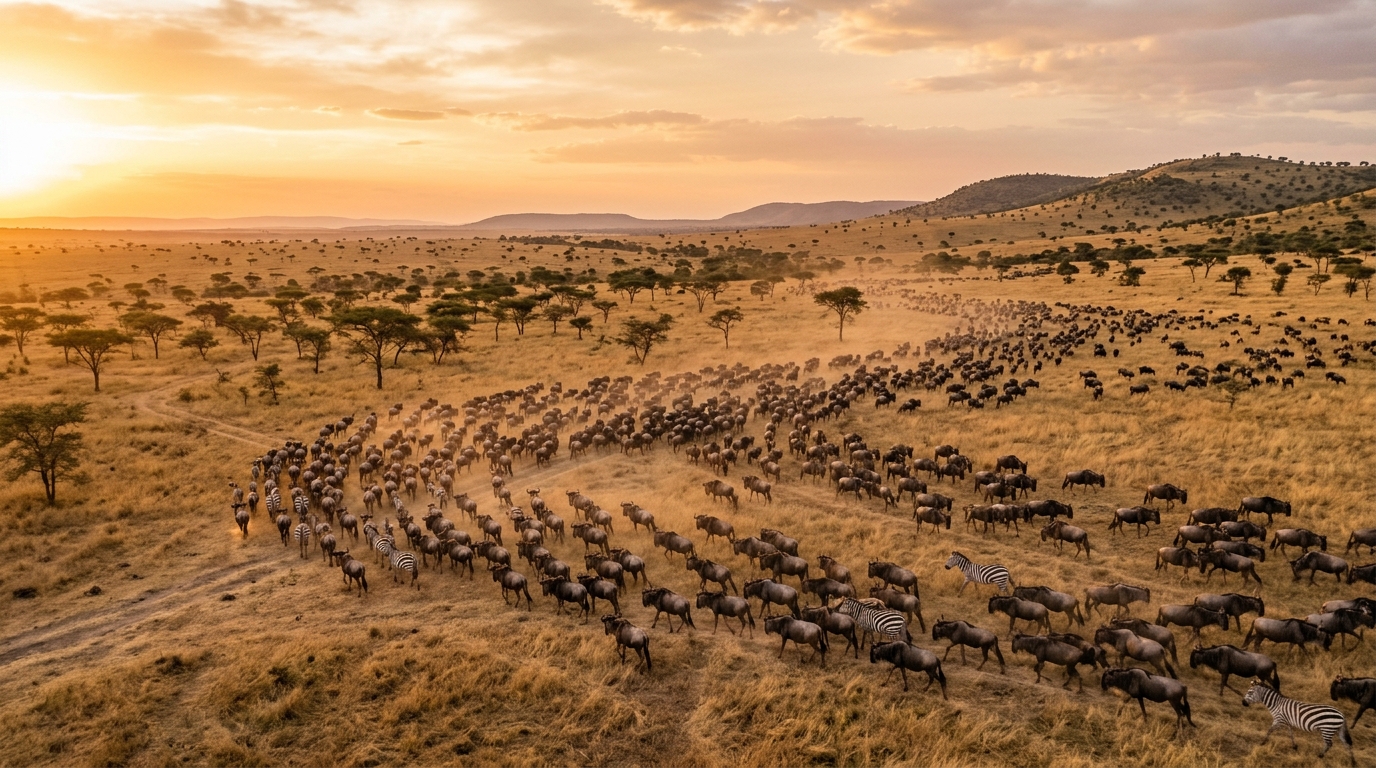
Kenya and Tanzania share a border, a language, an ocean coastline, and — most significantly — the same great wildlife ecosystem. The Maasai Mara in Kenya and the Serengeti in Tanzania are one continuous wilderness divided by a line drawn by colonial-era European cartographers. The wildebeest that cross the Mara River in August have spent the previous nine months grazing on Tanzanian grass. They have not changed. Only the flag above the park gate has.
So if the wildlife is essentially the same, why does it matter which country you choose?
Because the wildlife is not entirely the same — and because everything around the wildlife (the park fees, the infrastructure, the unique landscapes, the add-on experiences, and the logistics of getting there) differs in ways that genuinely affect which country is the right choice for your specific trip.
We operate safaris in both Kenya and Tanzania from our base in Naivasha. This is our honest comparison.
The Short Answer
- First-time safari visitor? Kenya has slightly simpler logistics, better domestic connections and Nairobi as a travel hub.
- Best park fees? Tanzania’s Serengeti charges USD $82 per person per day; Kenya’s Maasai Mara charges USD $200 at peak season.
- Wildebeest migration crossings? Both — Mara side in Kenya or Northern Serengeti in Tanzania, same crossings, different vehicle density.
- Calving season (Jan–March)? Tanzania only — the Southern Serengeti’s Ndutu plains have no Kenyan equivalent.
- Unique landscape with no match in the other country? Kenya: Amboseli elephants and Kilimanjaro. Tanzania: Ngorongoro Crater.
- Beach extension? Tanzania (Zanzibar) — Kenya’s coast exists but is a full separate journey from the safari circuit.
- Best trip overall? Both countries in one itinerary.
One Ecosystem, Two Countries
Before comparing the differences, it is worth stating clearly what is the same — because the similarities are as important to understand as the differences.
The Serengeti-Mara ecosystem is a single, continuous, ecologically intact savanna spanning southern Kenya and northern Tanzania. The same lion prides range across it. The same wildebeest herds migrate through it. The same bird species cross the border without documentation. When you stand on the Mara plains in Kenya watching a cheetah hunt, you are standing on the same geological and ecological fabric as the Serengeti plains 50 kilometres south.
Both countries offer:
- The full Big Five (lion, leopard, elephant, buffalo, rhino)
- The Great Wildebeest Migration in their respective portions of the ecosystem
- Excellent professional guide standards
- A full range of accommodation from budget tented camps to ultra-luxury lodges
- Year-round excellent game viewing
- Accessibility from Nairobi by air in under 1 hour (Wilson to Mara) or 45 minutes (JKIA to Kilimanjaro)
What differs is the supporting cast.
Side-by-Side Comparison — Kenya vs Tanzania
| Factor | Kenya | Tanzania |
|---|---|---|
| Most famous destinations | Maasai Mara, Amboseli, Tsavo, Samburu, Nakuru | Serengeti, Ngorongoro, Tarangire, Selous/Nyerere |
| Peak season park fee | Maasai Mara: USD $200/person/day | Serengeti: USD $82/person/day |
| Off-peak park fee | Maasai Mara: USD $100/person/day | Serengeti: USD $82/person/day (year-round) |
| Main international hub | Nairobi JKIA | Kilimanjaro (JRO) or Dar es Salaam (DAR) |
| Hub to main safari park | Wilson Airport to Mara: 45 min flight | JRO to Serengeti: 45 min + domestic flight |
| Domestic flight network | Extensive (Wilson Airport) | Good (Arusha-based) |
| Calving season | ❌ Not applicable | ✅ Jan–March (Ndutu, Southern Serengeti) |
| Unique crater landscape | ❌ | ✅ Ngorongoro Crater |
| Elephant + Kilimanjaro | ✅ Amboseli | ❌ |
| Species found nowhere else in Kenya/TZ | Samburu Special Five (Kenya only) | — |
| Beach extension | Mombasa (separate 1-hr flight) | Zanzibar (1-hr flight from JRO or DAR) |
| Gorilla trekking nearby | Via Uganda or Rwanda | Via Uganda or Rwanda |
| Night drives | Conservancies only (not in national reserve) | Most camps offer night drives |
| Walking safaris | Conservancies only | Most camps offer walking safaris |
| Combines naturally with | Kenya beaches, Uganda/Rwanda gorillas | Zanzibar, Kenya extension |
What Kenya Has That Tanzania Does Not
Amboseli and the Kilimanjaro View
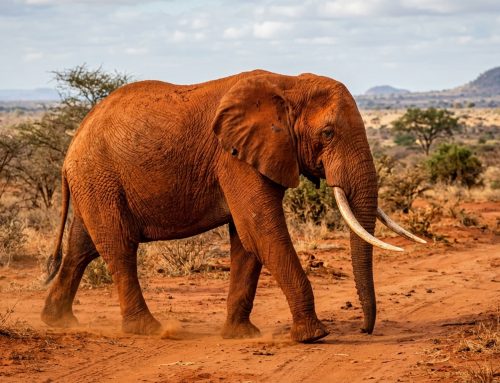
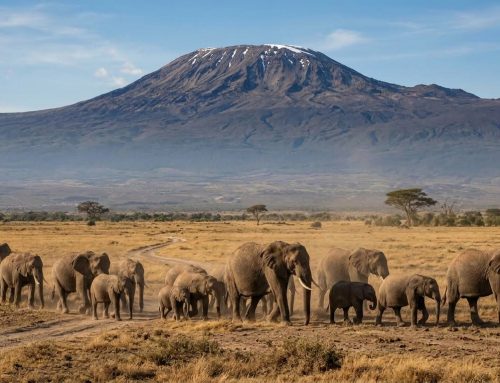
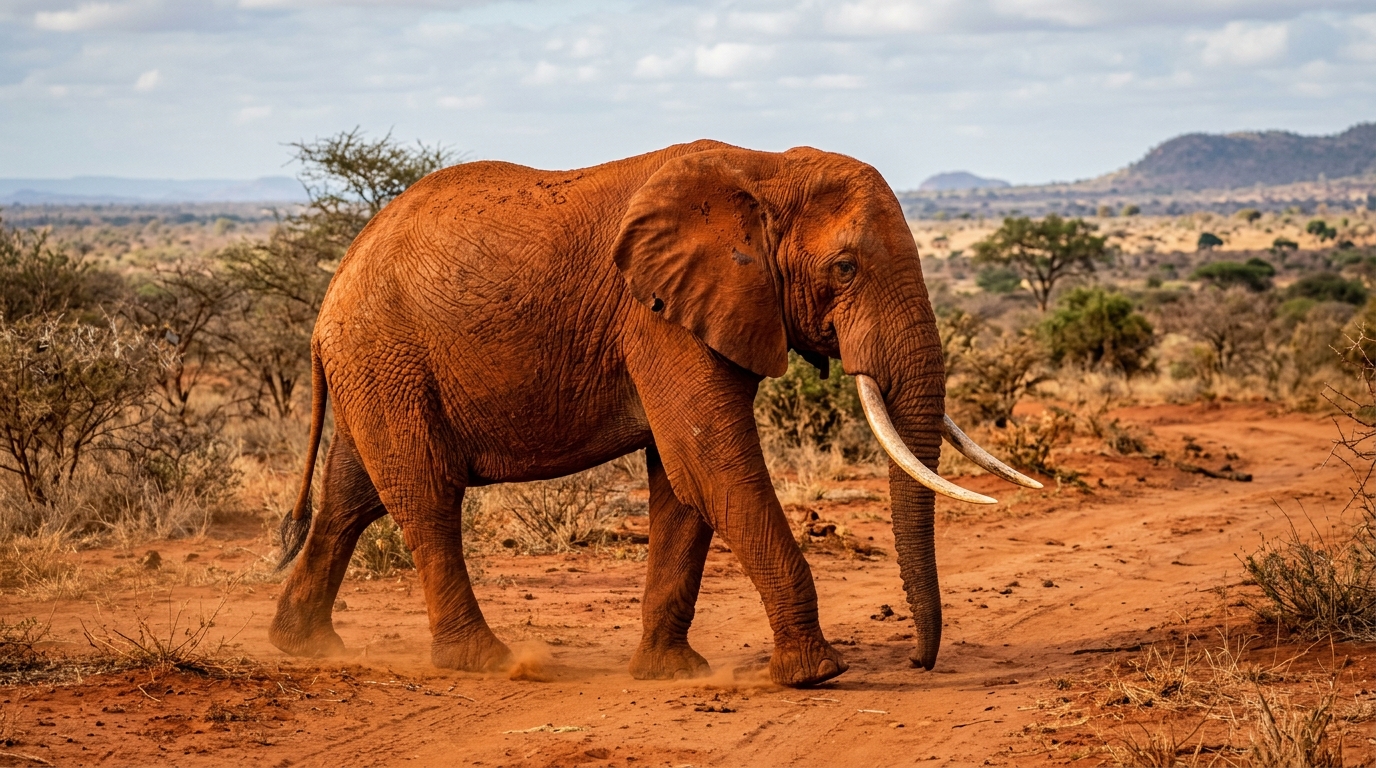
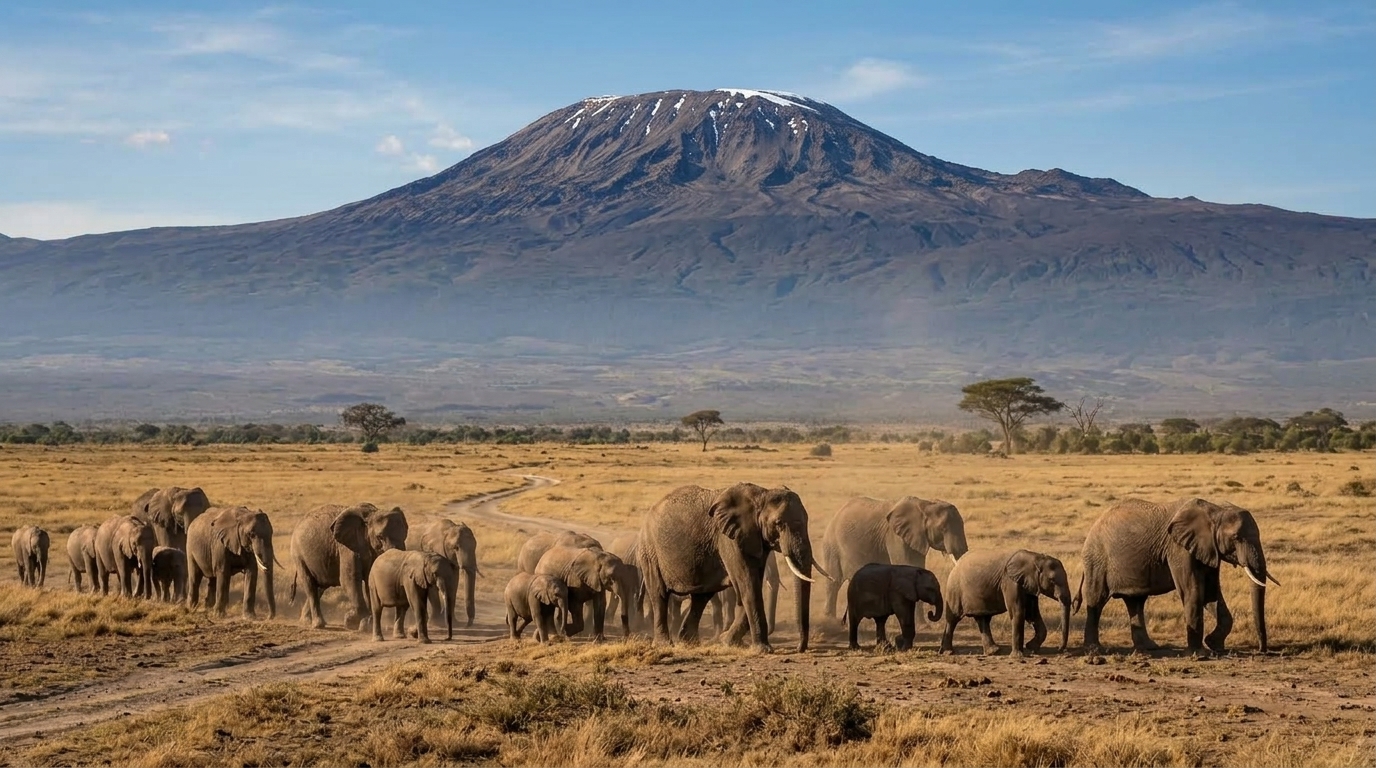
Amboseli National Park delivers one of the world’s most famous wildlife images: enormous elephant bulls moving through swamp grass against the snow-capped peak of Mount Kilimanjaro, 5,895 metres above the plains. Tanzania has great elephants. It does not have this view.
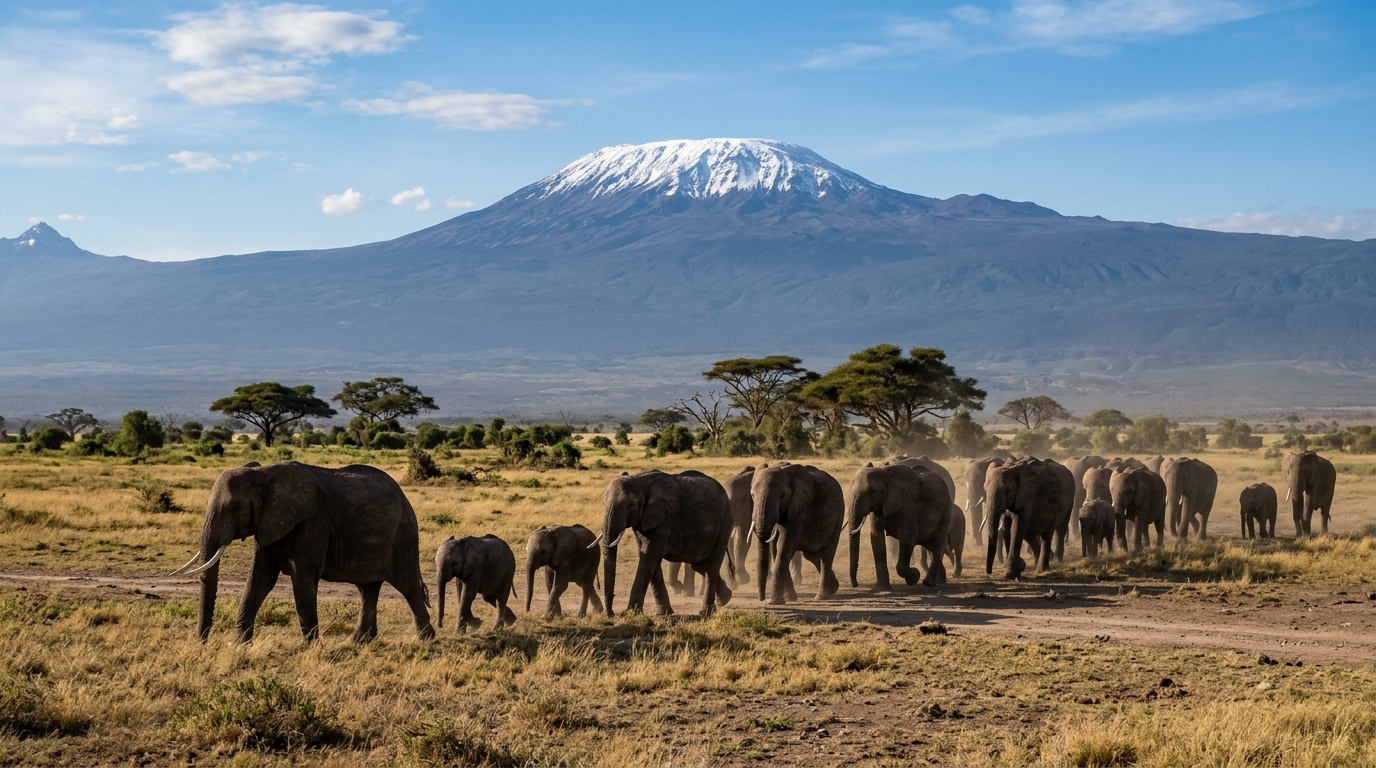
The elephants of Amboseli are the most studied elephant population in the world — researchers have tracked individual families for over 50 years. The guides at Amboseli can name individuals, describe family relationships, and point out elephants whose grandparents were studied in the 1960s. The depth of that local knowledge translates directly to extraordinary game viewing.
Samburu Special Five
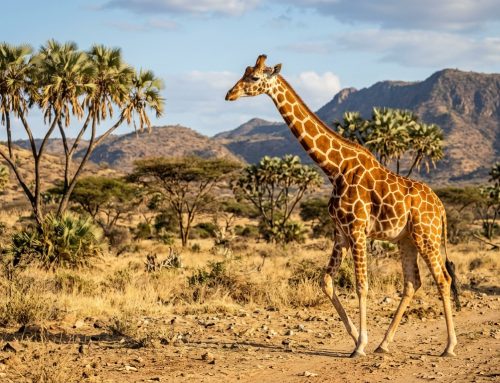
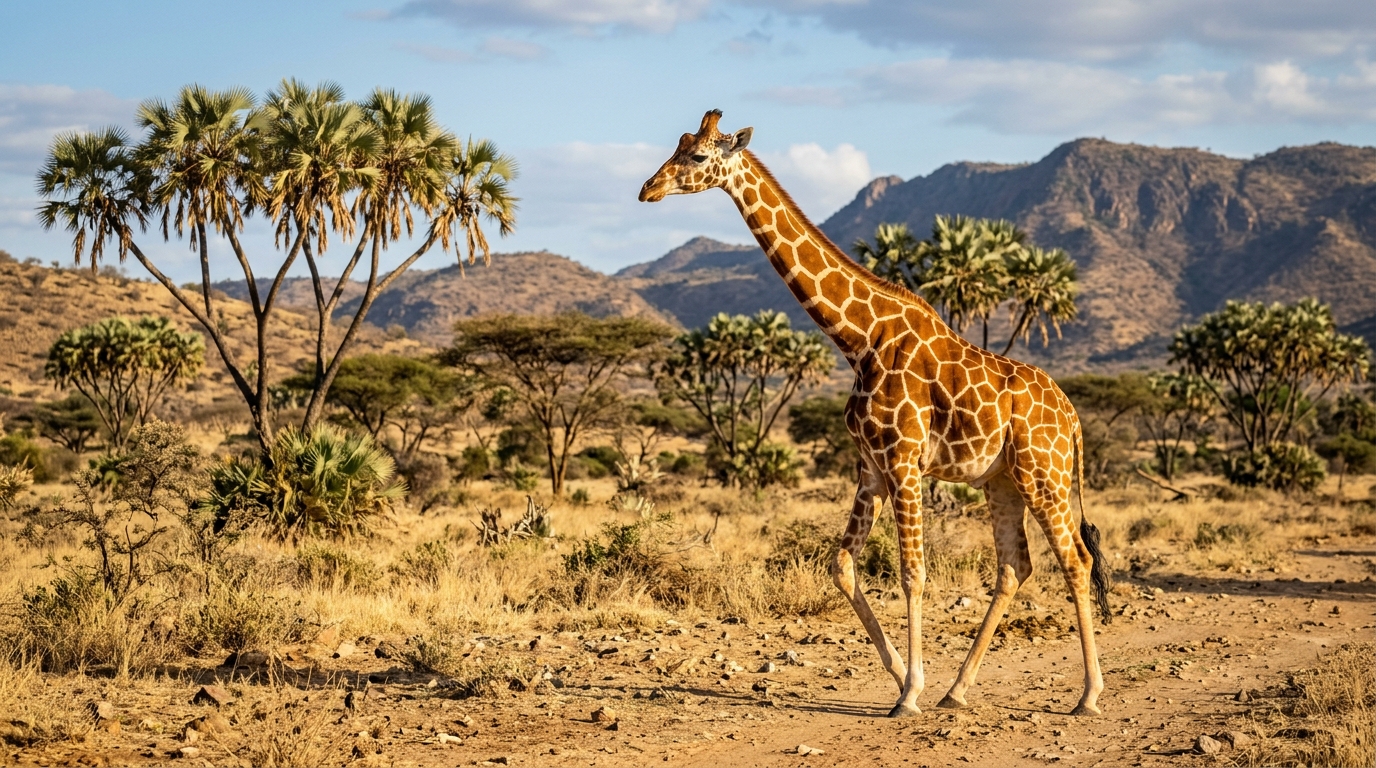
Samburu National Reserve in Kenya’s north holds five species found nowhere else in the country: Grevy’s zebra, reticulated giraffe, Somali ostrich, gerenuk, and Beisa oryx. These northern specialists exist in no Tanzanian national park. For wildlife-curious travellers building a species list, Samburu is an irreplaceable addition to a Kenya itinerary.
Lake Nakuru — Kenya’s Rhino Sanctuary
Lake Nakuru National Park is Kenya’s dedicated rhino sanctuary, home to both black and white rhino, and one of the most reliable rhino-viewing destinations in East Africa. One hour from Naivasha and easily added to any Rift Valley itinerary. Tanzania has rhino at Ngorongoro — but Nakuru is more reliably productive for extended sightings.
 Naivasha Excursions — A Unique Entry Point
As a Naivasha-based operator, we offer something no Tanzania-based company can: a Lake Naivasha opening experience before the main safari begins. Sunrise boat safari among hippos and fish eagles, cycling through Hell’s Gate among giraffe and zebra, walking on Crescent Island — all within 2 hours of Nairobi, on a lake with no equivalent in Tanzania.
What Tanzania Has That Kenya Does Not
The Ngorongoro Crater
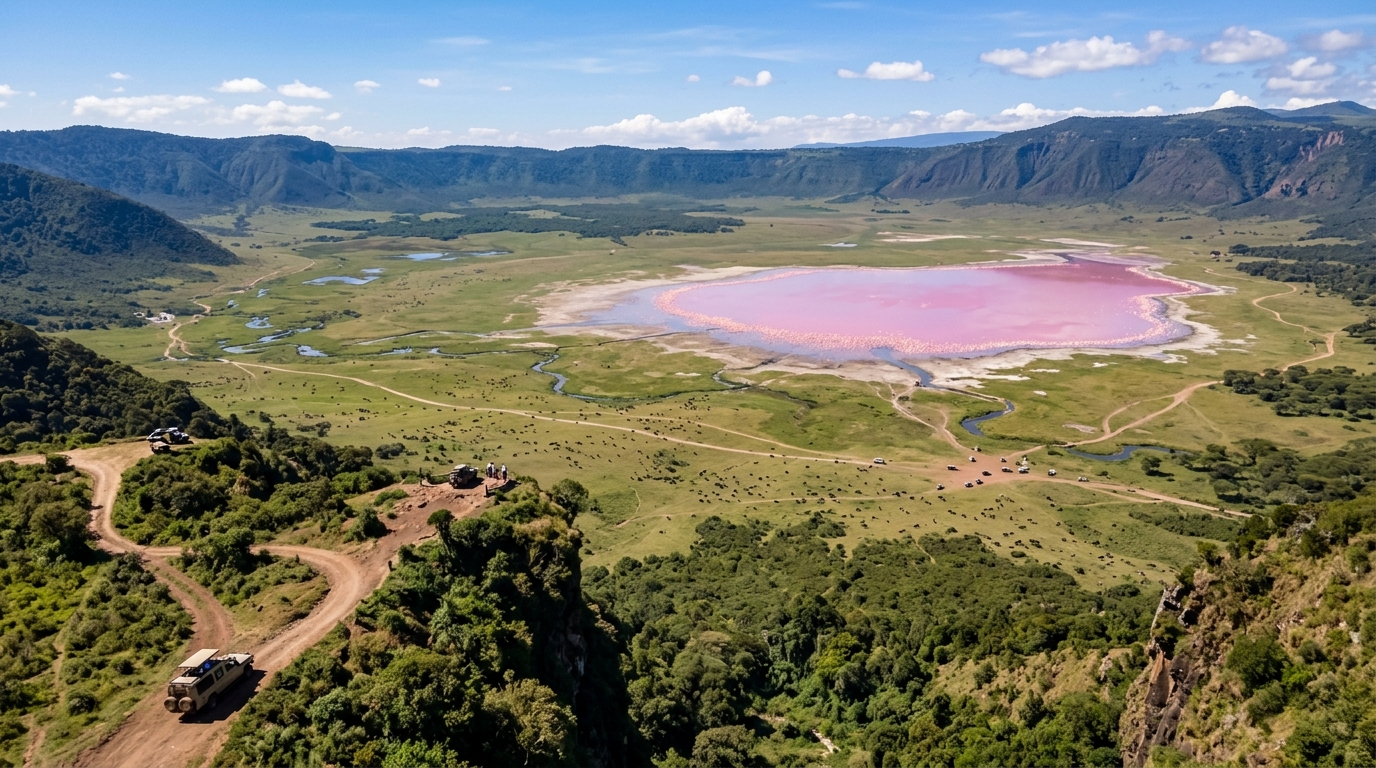
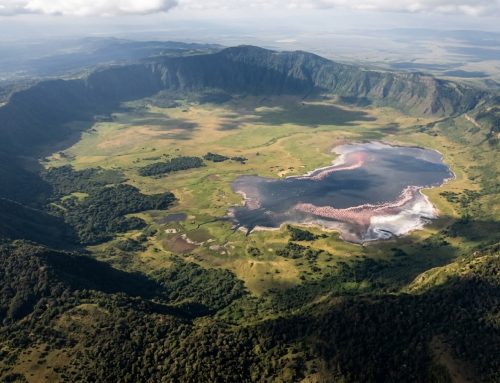
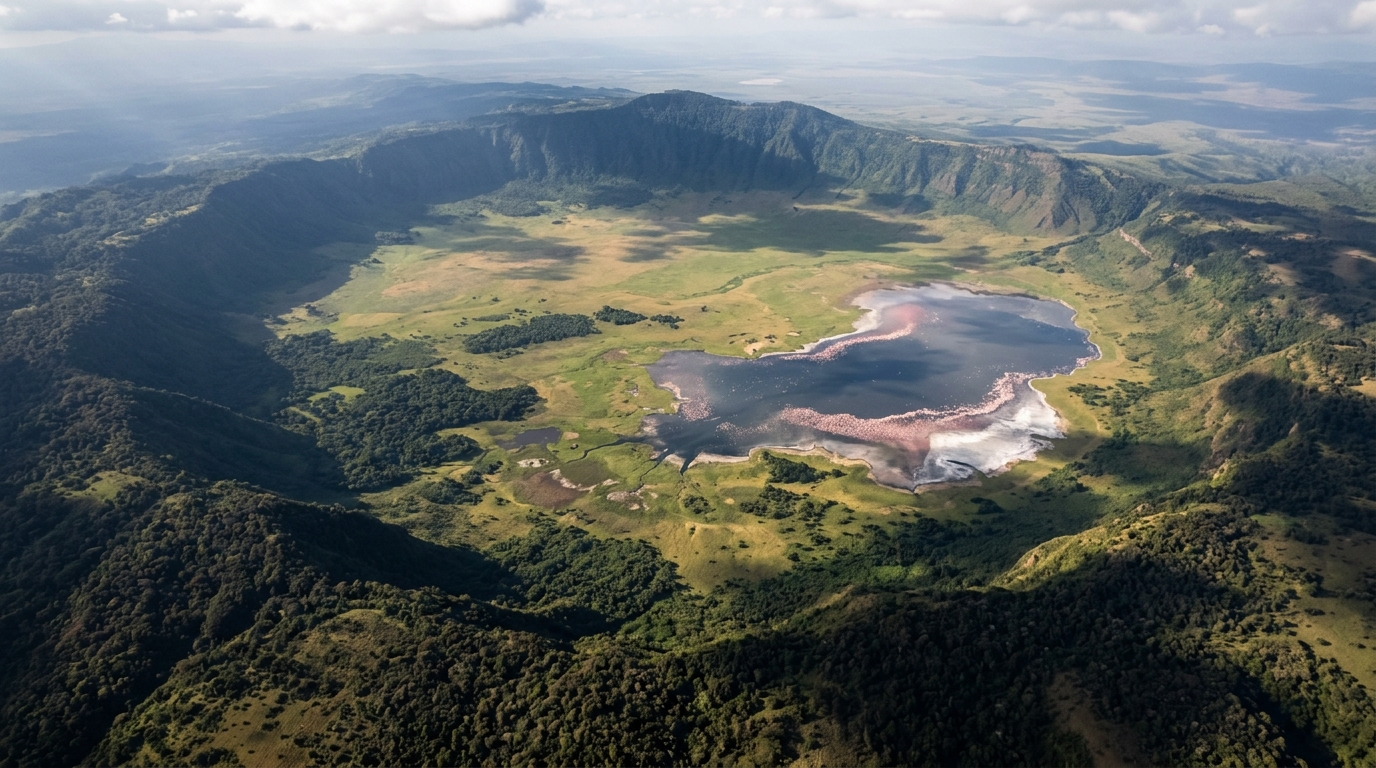
Tanzania’s most powerful argument. The Ngorongoro Crater is the world’s largest intact volcanic caldera — 19 kilometres wide, 600 metres deep, home to a permanently resident population of approximately 25,000 animals. Lions, leopards, elephants, hippos, flamingos, and one of Africa’s highest concentrations of black rhino live on the crater floor.
Kenya has nothing remotely comparable. There is no geological or ecological equivalent within Kenya’s borders.
The Calving Season
January to March on the Southern Serengeti’s Ndutu plains — up to 500,000 wildebeest calves born within six weeks, surrounded by the highest predator concentration in the ecosystem. The calving season is, by many wildlife experts’ assessment, the most spectacular wildlife event in Africa. It happens entirely in Tanzania. Kenya has nothing equivalent at this time of year.
Zanzibar
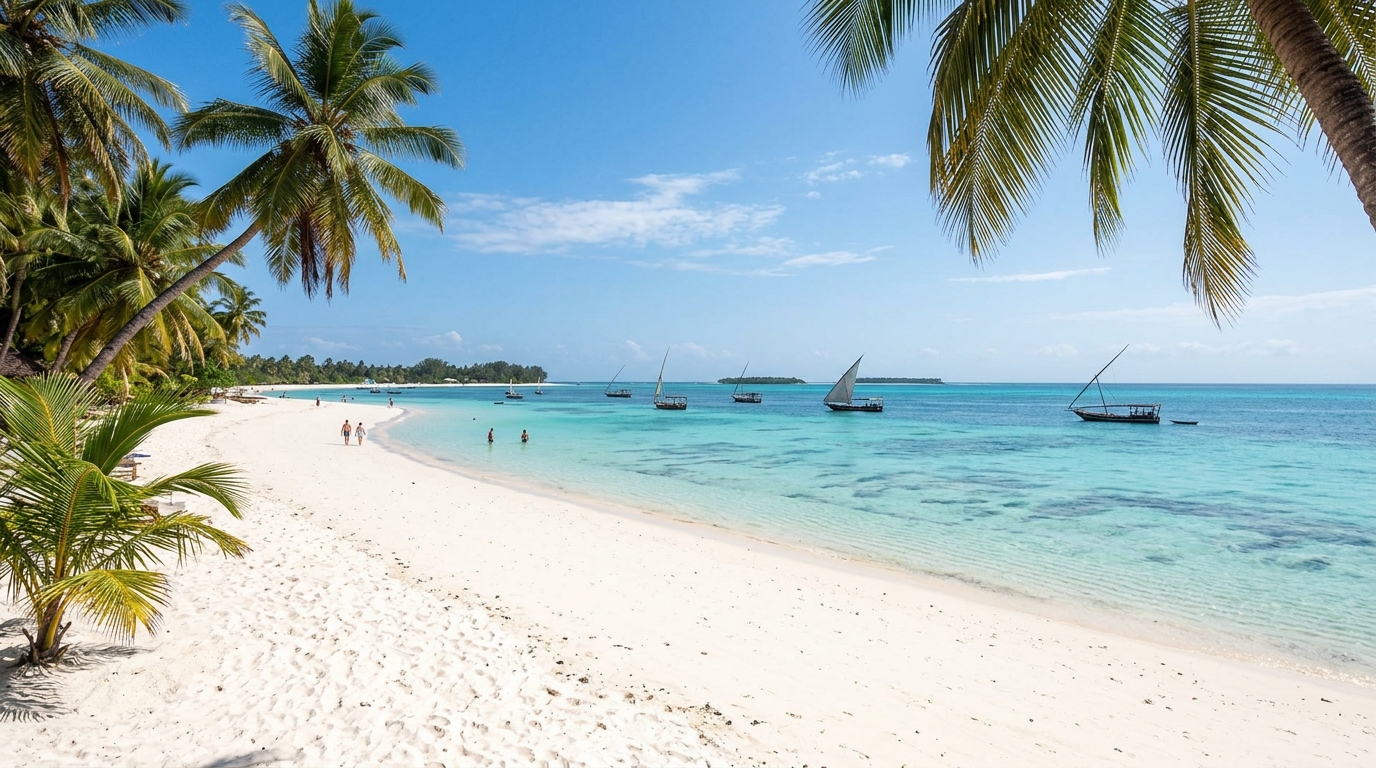
A 1-hour flight from Kilimanjaro Airport or Dar es Salaam. White sand beaches, turquoise Indian Ocean, UNESCO-listed Stone Town, excellent seafood and Swahili culture. The most popular safari-to-beach extension in East Africa. Kenya’s Mombasa and Diani Beach are attractive, but less celebrated and a separate journey from the Nairobi-based safari circuit.
The Serengeti’s Scale
At 14,763 square kilometres, the Serengeti is nearly ten times the size of Kenya’s Maasai Mara National Reserve. Its northern Serengeti zone, in particular, offers remote wilderness conditions — very few vehicles, enormous distances of untouched grassland — that even the Mara’s best private conservancies cannot fully replicate.
Park Fees — Tanzania’s Cost Advantage
For budget-conscious travelers, Tanzania’s park fee structure is meaningfully more attractive:
| Park | Country | Non-Resident Fee |
|---|---|---|
| Maasai Mara (peak season Jul–Oct) | Kenya | USD $200/person/day |
| Maasai Mara (off-peak) | Kenya | USD $100/person/day |
| Amboseli | Kenya | USD $90/person/day |
| Serengeti | Tanzania | USD $82/person/day |
| Ngorongoro (entrance) | Tanzania | USD $70/person/day |
| Ngorongoro crater descent | Tanzania | USD $295/vehicle/descent |
| Tarangire | Tanzania | USD $59/person/day |
A 3-night Serengeti safari in peak season costs USD $246 in park fees per person. The equivalent 3-night Maasai Mara safari costs USD $600. For a couple, that is a saving of USD $708 on park fees alone — enough for an additional night’s accommodation.
Note: Tanzania’s crater descent fee of USD $295 per vehicle is not a daily charge — it is per descent, making it a one-off cost rather than a repeating daily fee.
Getting There — Kenya’s Infrastructure Edge
Nairobi is East Africa’s transport hub. More international airlines fly into Jomo Kenyatta International Airport (JKIA) than to Kilimanjaro (JRO), Dar es Salaam (DAR), or Entebbe (EBB) combined. For most international travellers arriving from Europe, North America, or Asia, Nairobi is the natural East African gateway — which gives Kenya an inherent first-mover advantage.
From Nairobi to the Maasai Mara: 45-minute flight from Wilson Airport, or a 4 to 5-hour scenic road transfer via the Rift Valley. Simple, well-established.
From Nairobi to the Serengeti: 45-minute flight from JKIA to Kilimanjaro Airport, then a domestic flight of 45 minutes to a Serengeti airstrip, or an 8-hour road transfer to Arusha followed by a further 4 to 8 hours to the park. Doable, but involves more logistics than the Mara route.
For travellers entering East Africa for the first time, Kenya’s airport advantage and the simplicity of the Wilson-to-Mara connection is a genuine practical benefit.
The Combination — Why Both Countries Is the Best Answer
We have been asked “Kenya or Tanzania?” hundreds of times. Our consistent answer is: both, if your time allows.
The Mara to Serengeti crossing by road via the Isebania border is 4 to 5 hours — a single transfer with no return to Nairobi required. By air, the same crossing takes under 1 hour on a charter flight. It is not complicated. It is not expensive relative to the total trip cost.
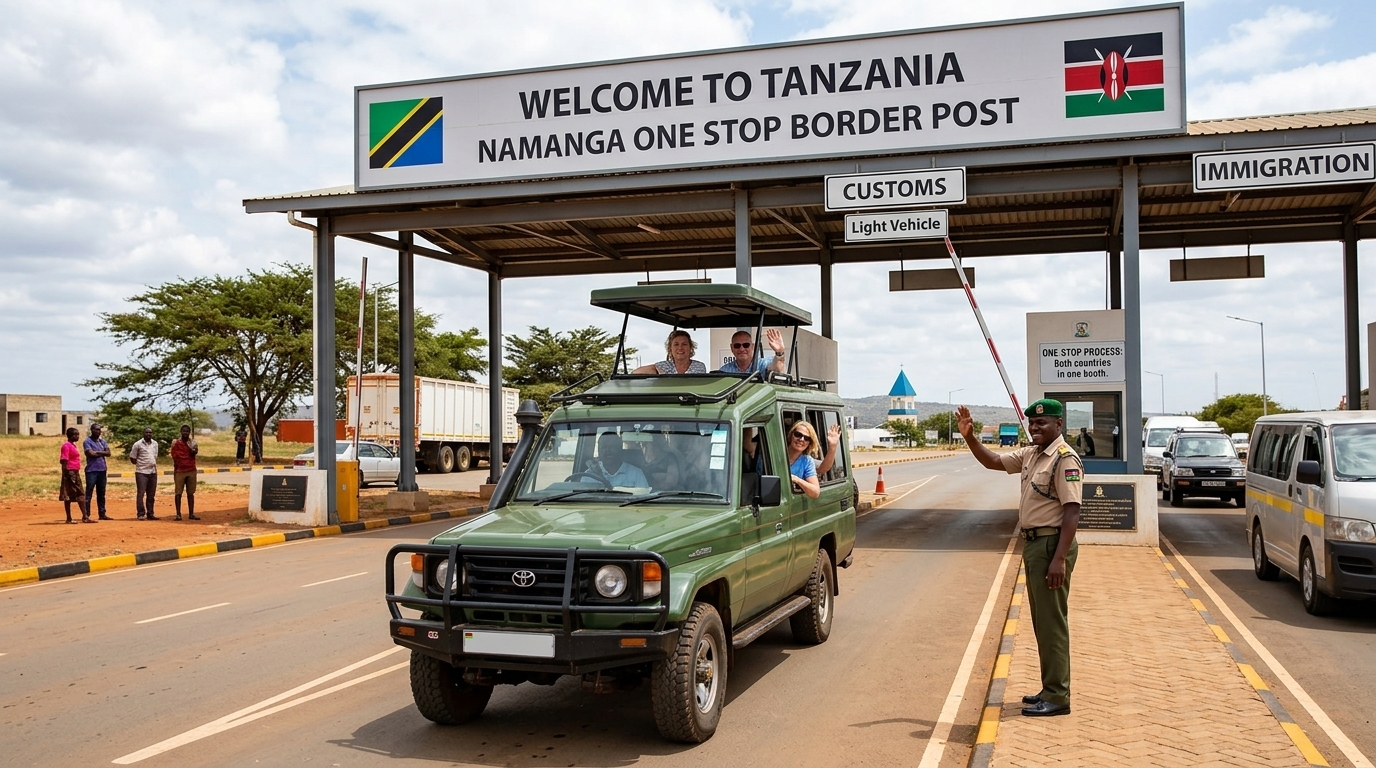
A 10 to 12-day combined Kenya–Tanzania itinerary is our most requested package:
| Days | Location | Highlights |
|---|---|---|
| 1–2 | Lake Naivasha, Kenya | Sunrise boat safari, Hell’s Gate, Crescent Island |
| 3–5 | Maasai Mara, Kenya | Big Five game drives, river crossings Jul–Oct |
| Day 6 | Road crossing via Isebania | Rift Valley scenery, Tanzania entry |
| 7–9 | Serengeti, Tanzania | Zone matched to migration season |
| Day 10 | Ngorongoro Crater | Crater descent, black rhino, flamingos |
| 11–13 (optional) | Zanzibar | Beach, Stone Town, Indian Ocean |
Crescent Shores Retreats coordinates this complete itinerary across both countries — permits, park fees, border logistics, accommodation, and guides — as a single package with one point of contact.
Which Country Is Right For Your Specific Trip?
| Your Priority | Recommended |
|---|---|
| First-time safari, easiest logistics | Kenya |
| Best park fees per day | Tanzania (Serengeti $82 vs Mara $200 peak) |
| Wildebeest river crossings Jul–Oct | Either — Mara (Kenya) or Northern Serengeti (Tanzania) |
| Wildebeest calving season Jan–March | Tanzania only (Southern Serengeti) |
| Unique volcanic landscape | Tanzania (Ngorongoro Crater) |
| Elephants with Kilimanjaro backdrop | Kenya only (Amboseli) |
| Beach extension | Tanzania (Zanzibar) |
| Maximum wilderness scale | Tanzania (Serengeti — 14,763 km²) |
| Adding gorilla trekking | Uganda or Rwanda (accessible from either country) |
| Short trip from Nairobi (3–5 days) | Kenya |
| Full 10–12 day East Africa experience | Both |
Plan Your Kenya or Tanzania Safari with Crescent Shores Retreats
As a Naivasha-based operator, we build Kenya-only, Tanzania-only, and combined Kenya–Tanzania itineraries. We know both sides of the border and manage the logistics of combined trips seamlessly — permits, accommodation, guides, and border transfers included in a single package.
📞 WhatsApp or call: +254 790 292 838 📧 Email: welcome@crescentshoresretreats.com 🌐 Kenya Safari Guide: Kenya Safari Packages 2026 → 🌐 Tanzania Safari Guide: Tanzania Safari: Serengeti, Ngorongoro & Beyond → 🌐 Park comparison: Maasai Mara vs Serengeti → 🌐 Plan your trip: Contact Our Team →
Frequently Asked Questions — Kenya vs Tanzania Safari
Is Kenya or Tanzania better for a safari?
Neither is objectively better — both deliver extraordinary safari experiences. Kenya has simpler logistics from Nairobi, the unique Amboseli-Kilimanjaro landscape, and Samburu’s exclusive northern species. Tanzania has lower park fees (Serengeti $82 vs Mara $200 at peak), the Ngorongoro Crater (no Kenyan equivalent), the calving season (January–March, no Kenyan equivalent), and Zanzibar as a beach extension. Most travellers with 10 or more days should do both.
Is the Maasai Mara or Serengeti better for the wildebeest migration?
Both. The wildebeest migration crosses the Kenya-Tanzania border twice a year. The famous Mara River crossings happen on both sides — the Kenyan Mara side has more established viewing infrastructure; the Tanzanian Northern Serengeti offers the same crossings with fewer vehicles. For the calving season spectacle (January–March), the Southern Serengeti is the only option — there is no Kenyan equivalent. Read the full comparison →
Which is more expensive — a Kenya or Tanzania safari?
Tanzania is cheaper on park fees — the Serengeti charges USD $82 per person per day year-round versus Kenya’s Maasai Mara peak fee of USD $200 per person per day. For equivalent accommodation, a Tanzania Serengeti safari is approximately 20 to 30% less expensive per day than a Maasai Mara safari during peak season. Ngorongoro crater descent adds a one-off fee of USD $295 per vehicle. For budget safaris, Tanzania’s park fee structure is more favorable.
Can I do both Kenya and Tanzania on the same trip?
Yes — and it is our most popular combined itinerary. The road crossing from the Maasai Mara to the Serengeti via Isebania takes 4 to 5 hours with no return to Nairobi required. A 10 to 12-day combined itinerary covers Naivasha, Maasai Mara, Serengeti, and Ngorongoro with an optional Zanzibar extension. Crescent Shores manages the complete trip — permits, park fees, border transfers, accommodation, and guides — as a single package.
What does Tanzania have that Kenya does not?
Tanzania’s three unique advantages over Kenya are: the Ngorongoro Crater (world’s largest intact caldera, approximately 25,000 resident animals), the wildebeest calving season (January–March on the Ndutu plains — no Kenyan equivalent), and Zanzibar (white sand Indian Ocean beach extension, 1-hour flight from Kilimanjaro Airport). Tanzania also has the Serengeti at 14,763 km² — nearly ten times larger than Kenya’s Maasai Mara.
What does Kenya have that Tanzania does not?
Kenya’s specific advantages over Tanzania are: Amboseli National Park with the Kilimanjaro backdrop (the world’s most iconic elephant photography setting), the Samburu Special Five species found only in Kenya’s north, Lake Nakuru as a dedicated rhino and flamingo sanctuary, the Lake Naivasha excursions ecosystem (boat safari, Hell’s Gate cycling, Crescent Island walking), and Nairobi as East Africa’s primary international airport hub with more direct international connections than any Tanzanian city.
— Crescent Shores Retreats, Naivasha, Kenya Naivasha-based safari tour operator · Kenya · Tanzania · Uganda · Rwanda +254 790 292 838 · welcome@crescentshoresretreats.com

Leave A Comment